Getting back in shape at 40 is a steady build, not an overnight reset. For women getting back in shape at 40 in Clearwater, most people feel noticeably different after 3-4 weeks; visible changes typically appear after 6-8 weeks of consistent training three times per week. Your pace depends on your starting point and how well your routine fits your life.
If progress feels slower than it did years ago, that can be frustrating. Work, family, sleep, stress, and recovery all shape what’s realistic, and your health is about more than the number on a scale. Small, repeatable steps can help you build strength and energy while working toward weight-loss goals.
In this guide, you’ll learn how age and inactivity affect strength and recovery, how to personalize exercise for your needs, and how nutrition can support sustainable progress. You’ll also see why focusing on overall health, rather than trying to change one area of your body alone, can make your plan more practical and rewarding.
Key Takeaways
- Sedentary adults may lose muscle mass at roughly 8% per decade, so make resistance training a gradual part of your return to exercise.
- Targeting one area with exercise won’t selectively remove fat there; build strength and focus on overall body-fat reduction instead.
- Keep a midlife fitness plan manageable by starting with 2-3 health goals and adding 1-2 small lifestyle changes per week.
- A sustainable nutrition approach pairs mindful portions with consistent habits; a 500-calorie daily deficit is associated with about 1 pound of weight loss per week.
- Use the CDC’s activity benchmark as a guide: work toward at least 150 minutes of moderate-intensity activity and 2 days of muscle-strengthening activity each week.
1. How aging and inactivity affect muscle, joints, and recovery
Sedentary adults may lose muscle mass at roughly 8% per decade. That change can make everyday tasks, like carrying groceries or climbing stairs, feel harder after an inactive stretch. Age isn’t the whole story: muscle still responds to resistance training. People in their 60s and 70s can gain measurable strength through resistance training, showing that meaningful progress remains possible later in life.
After time away from exercise, a sudden return to long or demanding workouts can leave you overly tired or sore. Think of training like rebuilding a routine, not flipping a switch. For the first week, try two to three sessions of 20-30 minutes each. Choose manageable movements, such as brisk walking and controlled chair squats, then notice how your body responds before adding more work.
Some soreness after unfamiliar training can feel tender or stiff, especially when you move or press the worked area. Sharp pain, pain that worsens during an exercise, changes how you move, or persists instead of easing calls for a different response. Stop the movement that brings it on, reduce the load, and reassess before continuing. Pain is not proof that a workout is working.
Before exercising, consider chronic health conditions, past injuries, joint symptoms, and medicines that affect movement or energy. These details can shape which exercises feel appropriate and how quickly you increase effort. If a condition or injury affects what feels safe, get medical guidance before progressing to harder training.
Build strength with controlled movements and a weight you can manage without losing form. A practical prescription for key resistance-training movements is 3 sets of 12 to 15 reps. Start with a movement you can perform smoothly, such as a supported row, and stop when your posture or control begins to slip. Increase the challenge gradually rather than trying to match your previous routine immediately.
Back exercises can strengthen the muscles that support posture, but they don’t selectively burn fat from your back or bra line. Try a supported row: hinge slightly at the hips, keep your back steady, and pull your elbows toward your sides. Focus on building a stronger frame beneath your clothes, not targeting one spot for fat loss.
Recovery is part of training, not a sign of lost momentum. After a strength session, make your next workout lighter if you’re unusually fatigued or your movement feels off. A short walk or gentle mobility work can keep you moving without repeating the same hard effort. Consistency comes from sessions you can recover from and repeat.
2. Midlife and perimenopause changes in body-fat distribution
During perimenopause, you may notice changes in body shape, including around your waist. A snugger waistband or different fit through the torso is an observation, not a diagnosis. Appearance alone can’t tell you whether a change reflects body fat, muscle, skin, posture, or several factors together. Track changes without assuming one cause.
Use a familiar pair of trousers as a practical reference. Notice how they fit at the waist and hips, then compare again over time. Also pay attention to strength, energy, and how everyday movement feels. These details give a fuller picture than one body measurement, especially when a busy week affects sleep, meals, or activity.
One distinction matters: exercise can strengthen a specific area, but it can’t selectively burn the fat covering it. Back exercises, for example, can build underlying muscles and support better posture, but they don’t target fat at the back or bra line. Reducing fat in a specific area requires overall fat loss.
That’s why repeatedly training one area may not create the change you expect. Building muscle beneath a layer of fat without reducing the covering may make the area appear larger. Think of muscle as shaping the frame underneath. It can improve strength and posture, while overall fat reduction changes the layer above it.
Skin also affects how the torso looks. Skin naturally loses elasticity with age, particularly around the torso. Building muscle can give loose or aging skin more structure and shape, but it doesn’t selectively remove skin or fat. Keep the goal practical: get stronger, improve posture, and support overall health rather than chasing change in a single body part.
For a simple progress check, choose a consistent time and use the same clothing fit or posture photo. Pair that observation with a record of your training and daily movement. If your back feels rounded after desk work, add controlled back-strengthening movements and notice whether standing tall feels easier. Don’t judge your whole plan by one visual change.
Keep your next step specific: include full-body strength work, use back exercises for strength and posture, and assess changes across your whole routine. If a guided start would help you put those movements into practice, explore a fitness training session.
3. Personalizing a fitness plan for women over 40
For women getting back in shape at 40 in Clearwater, start with the week you actually have, not an ideal schedule. The CDC recommends at least 150 minutes of moderate-intensity physical activity and muscle-strengthening activity on 2 days each week. Break movement into manageable blocks, such as a brisk lunch walk or strength work before dinner. Moderate effort lets you talk, though singing feels difficult.
For body-composition goals, 2 to 4 weekly strength sessions can be a practical approach. Choose exercises that suit your experience, such as chair squats, wall push-ups, or band rows. Keep movements controlled and adjust their range or resistance to maintain good form. If a full session is hard to schedule, plan a shorter one rather than dropping movement altogether.
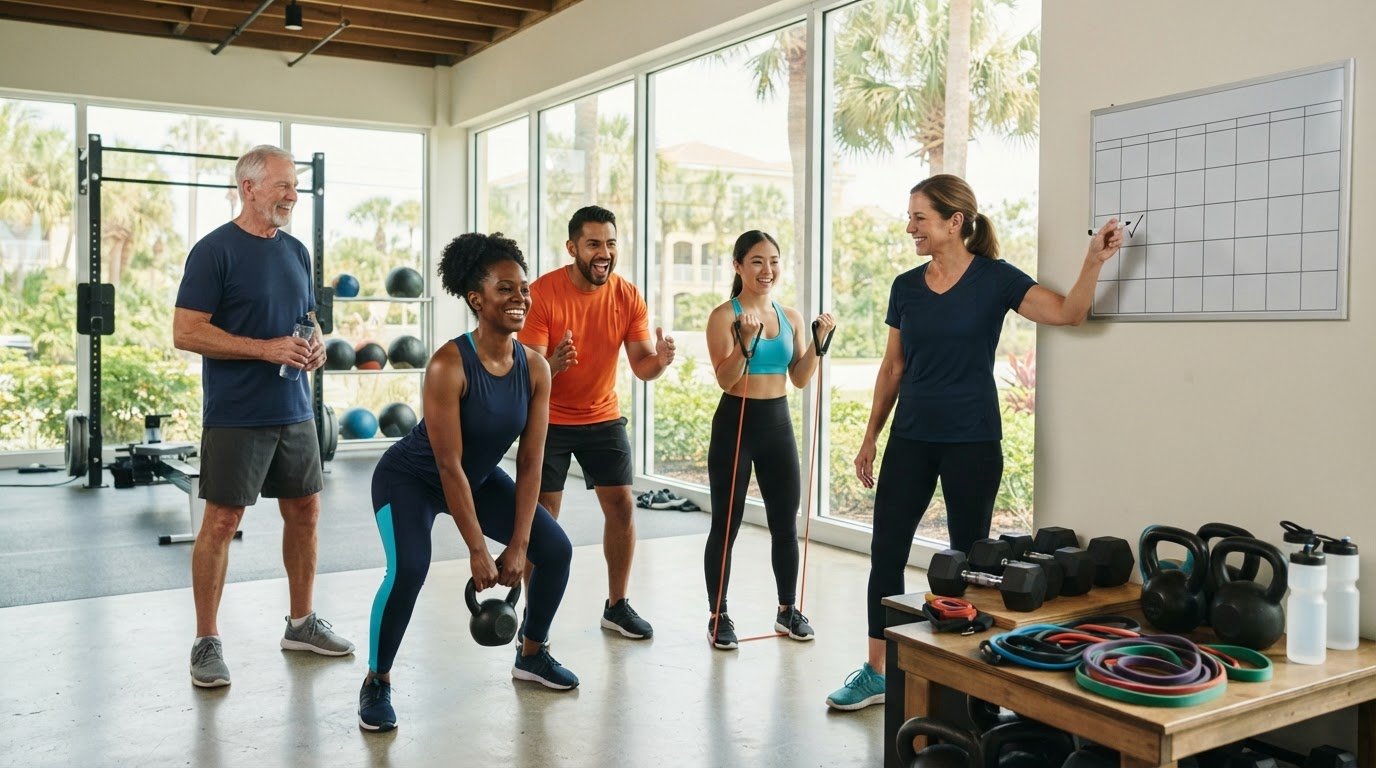
ACSM guidelines recommend gradual increases in physical activity for sedentary adults. Think of it like adding books to a backpack: increase the load in small steps instead of filling it all at once. Start with activity you can repeat, then add time or effort as it becomes manageable. Mark sessions on a calendar to see how your routine fits busy weeks.
Keep your goals focused. Start with no more than 2-3 health goals, then choose 1-2 small lifestyle changes per week. For example, schedule a walk after lunch and set out workout clothes the night before. A calendar reminder can turn intentions into appointments, even when work, family, and errands compete for your attention.
How many minutes of cardio and strength training should women over 40 do each week? Follow the CDC’s weekly activity recommendation above, including muscle-strengthening work on 2 days. Choose a mix of walking and resistance exercises that fits your current routine and can be repeated consistently.
What are the best gyms and fitness classes for women in Clearwater, Florida? Look for beginner-friendly movement options, clear coaching, and a schedule you can realistically follow. For women getting back in shape at 40 in Clearwater, a supportive class should allow you to learn at your pace rather than pressure you to match others.
Are there beginner-friendly walking, running, or outdoor fitness options in Clearwater? A familiar local walking route is a simple place to begin. If running is your goal, build gradually toward 5 km with small efforts 3 times a week, instead of attempting the full distance immediately. Choose a route that feels manageable and notice how it fits your energy and weekly schedule.
Review your plan when it stops fitting your life. If evening workouts clash with family routines, try a lunchtime walk or move strength work to another day. Keep the goal, but change the format. A fitness plan becomes more personal when it adapts to real schedules and still gives you a clear next step.
4. Sustainable calorie deficit and nutrition
Fat loss requires a calorie deficit: taking in less energy than your body uses. A 500-calorie daily deficit is a common target for sustainable fat reduction, associated with about 1 pound of weight loss per week. Think of it as a small, steady adjustment, not a drastic menu overhaul. The goal is a pattern you can maintain through ordinary workdays.
Start by noticing what you already eat and drink. For a few typical days, record meals, snacks, and beverages without trying to make them perfect. Look for one manageable change, such as choosing water more often or serving a smaller portion of a calorie-dense side. A simple note on your phone can reveal patterns.
Review routines before banning favorite foods. If takeaway appears more than 3 times a week, treat that as a habit to examine, not a reason for guilt. Choose one meal to prepare at home, or plan an easy alternative for a busy evening. A ready-to-eat meal in the fridge can make that choice simpler.
Build meals around foods that satisfy you and fit your routine. For lunch, combine a familiar protein food with vegetables and a filling side, then adjust portions to support your goal. Keep convenient options available for rushed days. Planning a basic grocery list before shopping can reduce last-minute choices that don’t match your intentions.
Snacks can fit, too. If you enjoy chocolate, two small squares of dark chocolate are one possible snack. Pair them with a planned break instead of eating from the package while working. That small routine makes the portion visible and helps you enjoy it deliberately. A sustainable plan leaves room for foods you like.
Use weekly patterns, not one meal, to guide adjustments. If an unplanned restaurant dinner happens, return to your usual routine at the next meal. Avoid trying to “make up for it” by skipping meals. A repeatable approach makes it easier to notice which habits support your energy and weight-loss goals.
Choose one practical food change this week. You might prepare lunch before a workday, plan takeaway less often, or keep a satisfying snack ready. If meal choices feel confusing, TrYumph Fitness Nutrition Coaching can help you work on everyday food habits. Focus on changes you can repeat, not rules that collapse under pressure.
Progress also needs room for real life. A family celebration, overtime, or a busy week may change your meals; that doesn’t erase the routine you’re building. Return to your next planned choice, then review what helped. A calorie deficit works as part of a consistent pattern, alongside training and everyday habits, not as a one-day test.
5. Weight loss as part of overall health
Weight loss can be one goal, but it shouldn’t be the only way you judge progress. A useful plan also tracks what you can do: carry groceries, climb stairs, or finish a walk with energy. Choose one everyday activity as a progress marker. Notice whether it feels easier as your training and routines become more consistent.
For cardiovascular activity, the CDC recommends at least 150 minutes per week. Use that benchmark alongside strength work, not as a scale-based score. A brisk walk after lunch, active errands, and planned exercise can all help build movement into a busy week. Pick options you can repeat, then adjust your schedule when work or family plans change.
Body weight can’t show every change your routine may produce. You might become stronger while clothing fit changes gradually. Record a few measures that matter to you, such as training consistency, walking comfort, and how everyday tasks feel. Reviewing those notes over time gives you a wider view than relying on one weigh-in.
Keep the goal tied to your life. If your main reason is feeling more capable on family outings, track whether longer walks feel manageable. If carrying bags feels difficult, notice how that task changes as you build strength. These examples make progress personal and practical, rather than reducing success to a number on the scale.
Weight loss also works best as part of routines you can maintain. Continue the food habits from the previous section, and pair them with regular movement and strength work. If a busy day disrupts the plan, return to your next planned meal or activity. A missed workout doesn’t call for an extreme response or a complete restart.
Set a simple weekly review. Ask yourself whether you followed your planned activity, which meals felt satisfying, and what got in the way. Then choose one adjustment for the coming week, such as preparing lunch ahead or scheduling a walk. This turns reflection into a practical next step without letting the scale dictate every decision.
If weight-loss accountability would help you stay consistent, a weight loss challenge can add structure to your effort. Use the free trial option as a next step toward exploring a supportive approach. Keep your focus on sustainable routines, strength, and everyday function, alongside changes in weight.
TrYumph Fitness: Personal Training
TrYumph Fitness offers Personal & Small Group Training to help you build a routine around your goals and starting point. Individual coaching can help shape your strength sessions and support accountability. Small-group training offers another coached option, while the all-inclusive nutrition, fitness, and weight-loss programs combine support to help you work toward your goals.
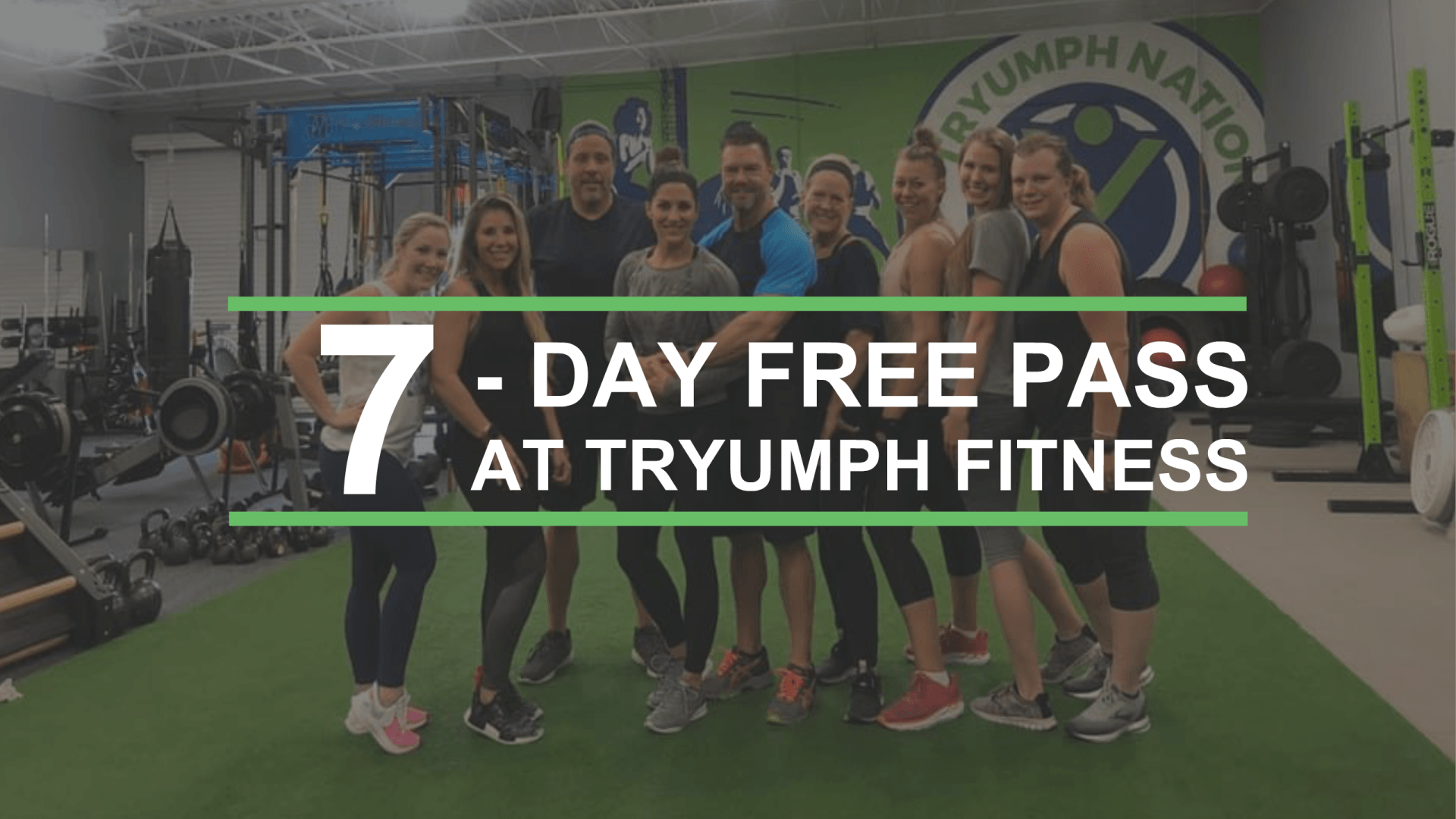
When you’re ready for guidance that connects exercise, nutrition, and weight-loss goals, TrYumph Fitness offers a free consultation and trial, onsite or virtual. Share what you want to work toward and discuss the support that fits your needs. After submitting the consultation form, you’ll be contacted by call or text within two business days.
Contact TrYumph Fitness or visit tryumphfitness.com to learn more.
Make your next step one you can sustain
For women getting back in shape at 40 in Clearwater, the strongest next move is choosing a routine that fits the life you have now. Start by deciding what support would make consistency easier: a planned session, a food habit you can maintain, or someone to help you stay accountable. Then choose one action you can put on your calendar this week.
Progress doesn’t need a dramatic restart. It needs a beginning you can return to, even when work, family, or a busy day disrupts the plan. TrYumph Fitness can be a next step if you want support turning your goals into a workable routine. Take a moment to explore the options and decide what feels right for you.
Explore a free trial with TrYumph Fitness, then take your next step with confidence. Your reset can start today.
Frequently Asked Questions
How long does it take to get back in shape after 40?
Your timeline depends on your starting fitness, consistency, recovery, and what “in shape” means to you. Stamina, strength, daily energy, and body composition can change at different rates. Choose a practical marker, such as walking up stairs comfortably or completing your planned sessions, and review it regularly. That helps you see progress beyond the scale and adjust your routine based on real changes.
Is it too late to start exercising at 45 or 50?
No. Starting at 45 or 50 can still help you build strength and improve how exercise fits into daily life. Begin with activities you can do comfortably, such as walking or practicing controlled sit-to-stands from a sturdy chair. Make the routine repeatable before increasing its challenge. Your previous fitness history can inform your starting point, but it doesn’t have to define what you can work toward now.
Should I do cardio or weights first when coming back?
Choose the order that helps you focus. If strength is your priority, start with controlled resistance exercises while you’re fresh, then walk or cycle afterward. If a cardio goal matters most, reverse that order. You can also put strength and cardio on separate days. For example, take a walk on a busy day and reserve another session for resistance movements.
What if I'm embarrassed to go to a gym?
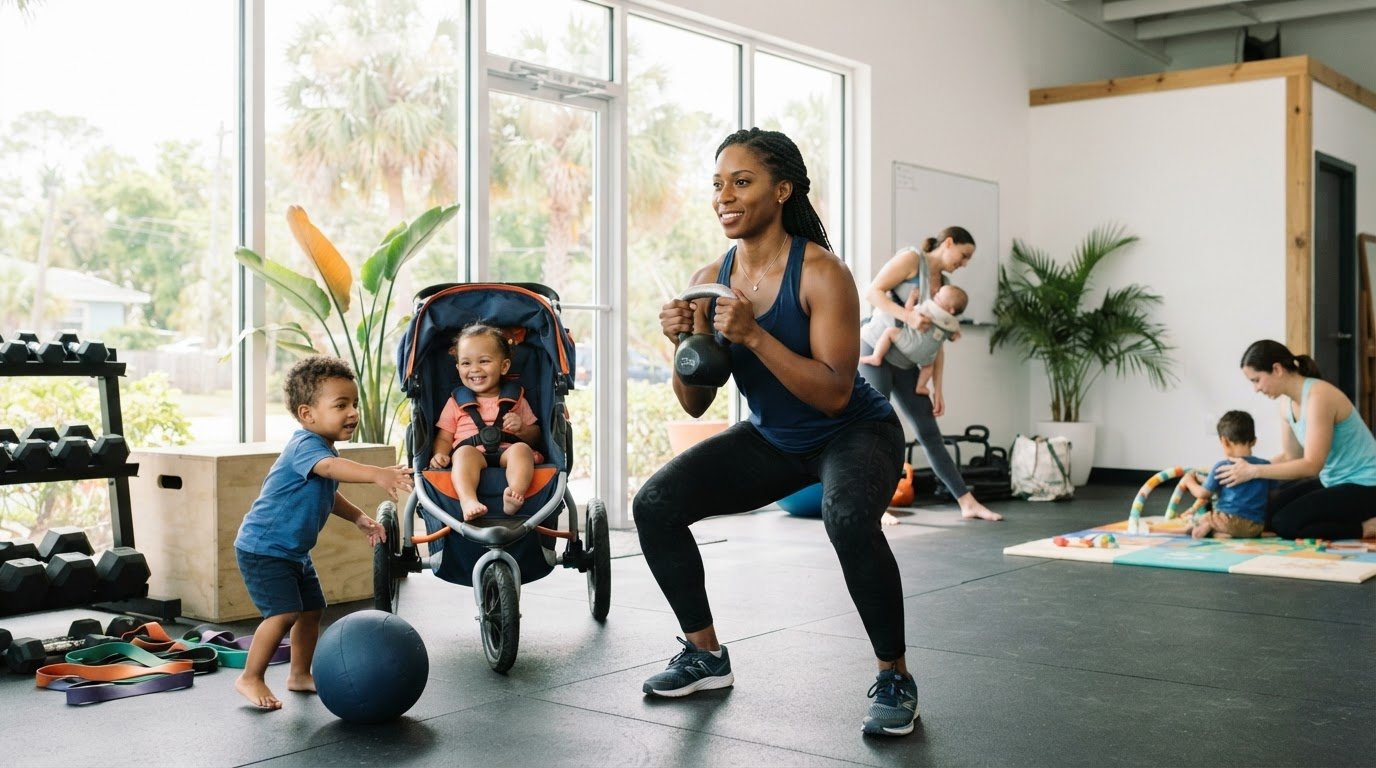
Start in a setting that feels manageable. You could walk outside, practice bodyweight movements at home, or invite a friend to join you. Write down the exercises you plan to do before starting, so you’re not deciding everything on the spot. If you choose coached training, TrYumph Fitness offers small-group sessions with personal support. Build confidence through familiar, repeatable steps.
What are safe ways for a 40-year-old woman to get back in shape?
Choose controlled movements, comfortable footwear, and activities that suit your current ability. Start with familiar options, such as walking, chair squats, and wall push-ups, then notice how your body responds during and after each session. Don’t push through sharp or worsening pain. If an existing condition or previous injury affects movement, get medical guidance before increasing exercise intensity.
What is a beginner workout plan for women over 40 returning to exercise?
A simple session can combine a comfortable walk with controlled strength movements, such as chair squats, wall push-ups, and a resistance-band row. Keep the first efforts easy enough to finish with steady form. On another day, take a walk or repeat the movements if you’ve recovered comfortably. Write down what you did and how it felt, then adjust your next session.
How can women over 40 build muscle and maintain bone density?
Use resistance exercises that challenge major muscle groups, such as squats, rows, and presses, while keeping each repetition controlled. Increase resistance or difficulty gradually as movements become easier. Weight-bearing activities, including walking, can also be part of a varied routine. Focus on consistent practice and sound technique rather than lifting as much as possible. Note which movements feel stronger over time.
What diet and protein intake support fitness goals for women over 40?
Build meals around satisfying foods, including protein sources such as eggs, beans, yogurt, tofu, fish, or poultry. Pair them with vegetables, fruit, or a filling grain to make meals that work for your schedule. Protein needs vary with body size, activity, and personal health, so avoid treating one number as right for everyone. A food log can help you spot gaps and plan easy meals.
Article by
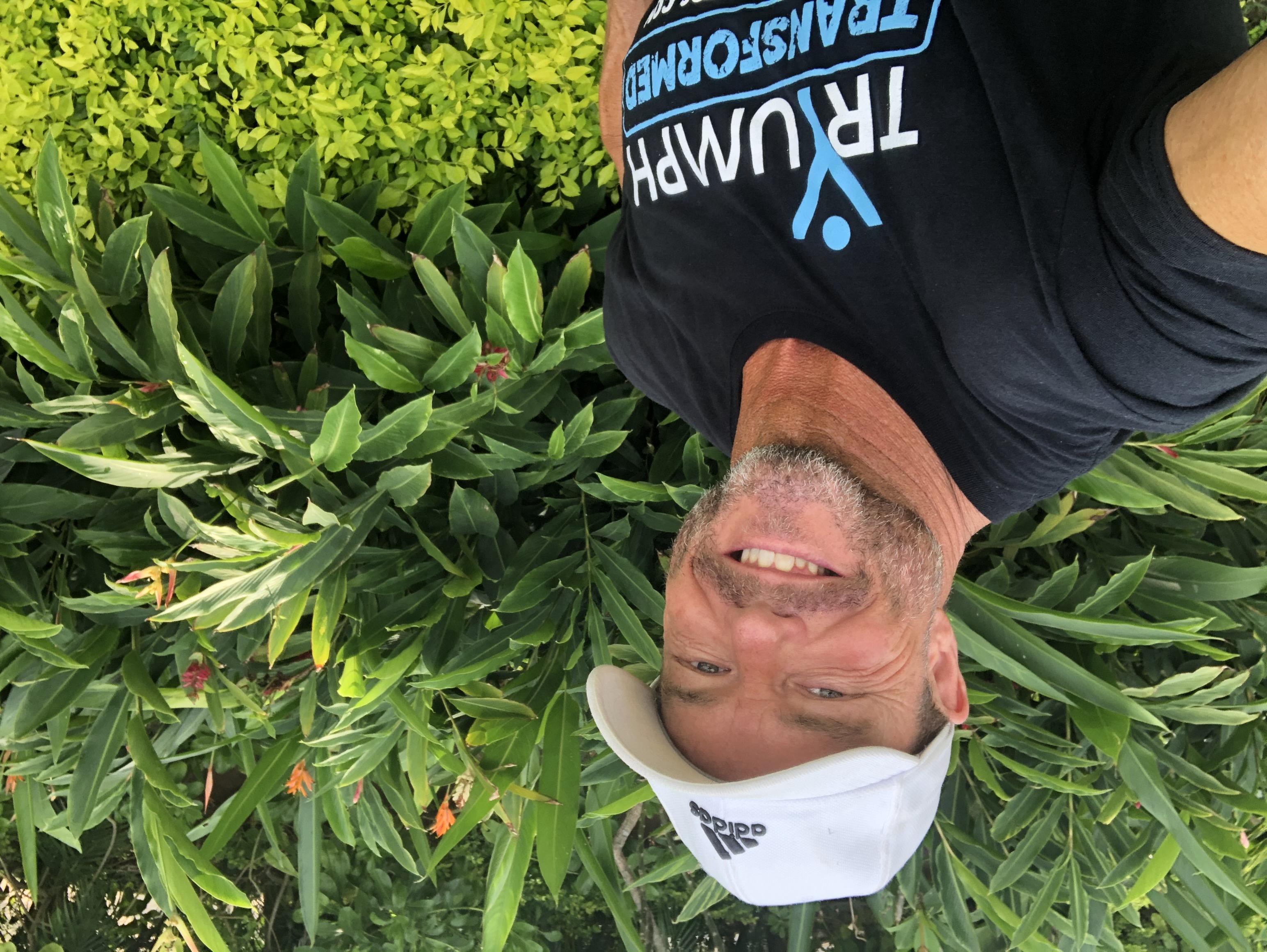
Coach Matt O'Brien
Coach Matt O'Brien is the founder of TrYumph Functional Training and TrYumph KidFit, where he has helped thousands of adults, children, and families build stronger, healthier, and happier lives through science-based health coaching, personal training, and small group training since 1998. With more than 25 years of coaching experience and over 25,000 hours working one-on-one and in small-group settings, Matt specializes in helping busy adults improve strength, energy, weight loss, nutrition, and long-term health through practical, sustainable lifestyle change.
Matt is a National Board Certified Health & Wellness Coach (NBC-HWC), Certified Strength and Conditioning Specialist (CSCS), Precision Nutrition Level 1 Coach (PN1), and Master Health Coach. His expertise spans strength training, nutrition coaching, healthy habit formation, performance optimization, and healthy aging, helping clients build resilience and enjoy a higher quality of life for years to come. He is also the author of THE MAGIC PILL and FITNESS FUEL (Cookbook) and is passionate about translating complex health and longevity science into simple, actionable strategies that busy people can apply in everyday life.
Through TrYumph KidFit, Matt is equally committed to improving kids fitness, confidence, athletic development, and lifelong healthy habits by creating fun, encouraging environments where children can thrive physically, mentally, and socially.
Matt's coaching philosophy is built on simple beliefs: movement is medicine, consistency beats perfection, and sustainable habits create extraordinary results. His mission is to help people live longer, healthier, happier lives through coaching, community, and caring.
When he's not coaching at TrYumph, Matt enjoys spending time with his wife and two sons, continuing his education in health and longevity science, and creating educational content that empowers people to take control of their health.