Cardio supports a toning goal, but resistance training does the main work of building muscle, while cardio adds aerobic movement to your routine. If you’re looking for a new-to-the-gym workout plan for females in Largo, start with three training sessions a week and challenge each major muscle group with resistance at least twice a week.
It’s easy to assume that more cardio means faster results, especially when your schedule is already packed. But a steady plan doesn’t need to be complicated or exhausting. Strength work, manageable cardio, and enough recovery can fit together without turning every workout into an all-day commitment.
Here, you’ll learn how to structure beginner weight-training sessions, choose a realistic weekly rhythm, and use cardio and rest to support your progress. You’ll also see how to increase effort gradually, building consistency one workout at a time and gaining confidence as you learn new movements.
Key Takeaways
- Choose a weekly strength schedule that fits your real life, then build around exercises you can perform with control.
- Use a beginner-friendly training plan as a guide, adjusting the routine to your experience and available time.
- Add cardio to support your fitness goals, and leave room for rest so your routine stays sustainable.
- Increase the challenge gradually by adjusting your weights or repetitions as exercises become more manageable.
- Warm up before training and cool down afterward to help make each workout safer and more comfortable.
How often should women train to tone up?
- Begin with three strength-training sessions each week. Aim to challenge each major muscle group with resistance at least twice weekly. Resistance training builds muscle and supports a toned appearance; cardio can complement it but shouldn’t replace strength work. A full-body routine works several muscle groups in one session, making it practical when work or family schedules are busy. Keep the weekly rhythm repeatable before adding sessions. Consistency gives you a foundation for learning each movement and building strength.
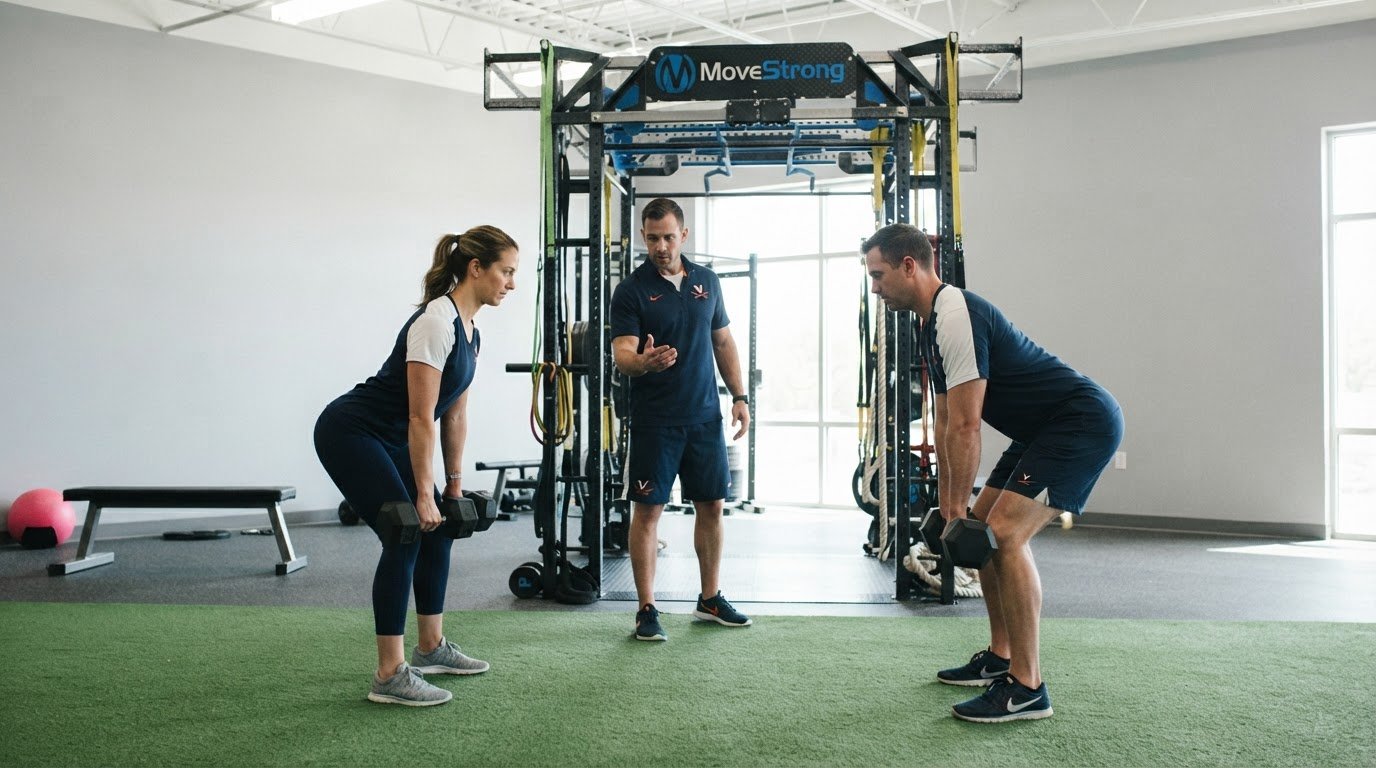
- Build your routine around foundational movements that use several muscles together. Squats train the lower body, while bent-over rows work the back and arms. For a full-body strength workout, use three sets of squats for 10-12 repetitions and three sets of bent-over rows for 8-12 repetitions. Choose a load you can control from the first repetition to the last. Smooth, steady movement matters more than rushing through a set or lifting a weight that changes your form.
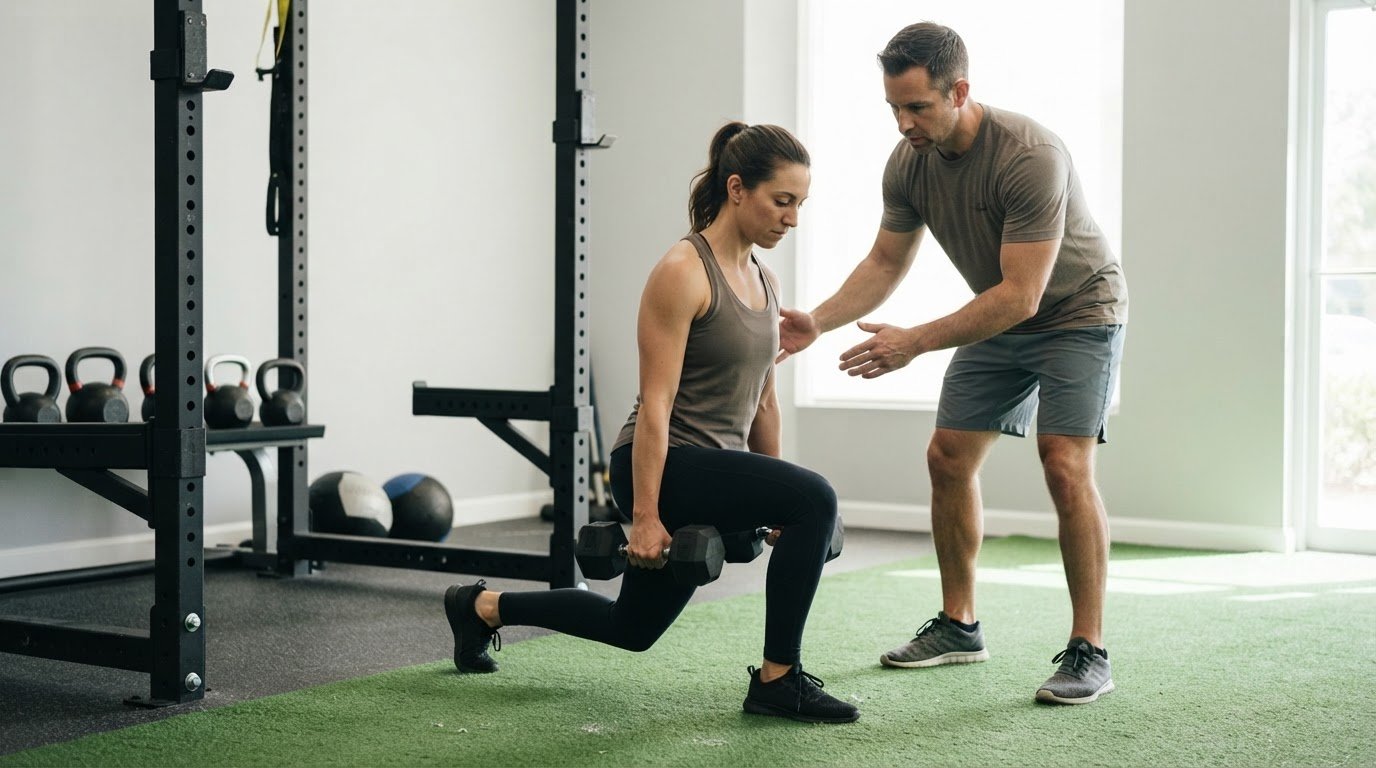
- Use lower-body resistance exercises to train your legs and glutes with control. A beginner lower-body session can include three sets of squats for 8-10 repetitions, followed by three sets of Bulgarian split squats for 10 repetitions per leg. Start each squat by bending your hips and knees, keeping your chest lifted as you lower. For split squats, take a stable stance and lower with control on each side. If balance makes the movement difficult, reduce the load and focus on steady positioning.
- Train your chest, shoulders, and back with a few focused upper-body exercises. Keep a beginner chest workout to 3-4 exercises, using 3-4 sets of 8-12 repetitions per exercise. For a dumbbell chest press, begin with your upper arm and forearm forming a 90-degree angle. Press smoothly, then lower with control. Add three sets of lateral raises for 12-15 repetitions or wide-grip lat pulldowns for 8-12 repetitions. For bent-over rows, use 8-12 repetitions when your focus is muscle growth, or 4-6 repetitions for strength.
- Choose an upper- and lower-body split only if it suits your schedule; this approach can fit three to four weekly sessions. Leave enough recovery between sessions that work the same muscles, and notice how your body feels during each exercise. After cardio, stretch major muscle groups for 5-10 minutes. That brief step can help you finish with intention, rather than rushing from your last exercise straight into the rest of your day.
Beginner 12-week women's weight-training program
For women new to workouts in Largo, a simple plan and a few essentials can make the first session easier. Bring comfortable workout clothes, supportive shoes, and water. Decide which exercises you’ll practice before you begin.
-
Starting with Dynamic Warm-Ups
Begin each workout with 5-10 minutes of light cardio, such as easy treadmill walking or cycling. Follow with controlled practice of the movements you’ll use, starting with body weight before adding resistance. For example, rehearse squats before a loaded leg exercise. Keep the warm-up comfortable, not tiring, and check that each movement feels steady. This gives you a chance to notice unfamiliar motions before lifting.
-
Following a Beginner Strength Schedule
Choose a repeatable schedule that fits your week. Beginners can plan 3-5 strength-training sessions, while a three- or four-day schedule can be easier to fit around work and family. A five-day split is another option, not a starting requirement. If you’re looking for a workout plan for women in Largo who are new to the gym, begin by choosing training days you can realistically protect. Avoid filling every available day with lifting before you’ve established a routine.
-
Moving into Full-Body Gym Workouts
Start with a full-body workout that practices several movement patterns in one session. One beginner workout in the plan lasts 20 minutes. A straightforward example combines a squat, a push such as a chest press, a pull such as a row, and a core movement. Use weights you can control, and pause to reset between exercises. As each movement becomes familiar, progress toward more challenging sessions at a pace that suits your experience.
-
Applying Progressive Overload as a Beginner
Record the exercises, sets, and repetitions you complete, then use that log to guide your next workout. If you’re new to the gym, a workout plan for females in Largo can feel easier to follow when each session has a clear next step. One progression is adding a single set to one exercise each training day each week. Once you reach the maximum recommended sets, add 1-2 repetitions to each set. Avoid increasing weight and repetitions together; keep movements controlled as you build effort.
For help turning a beginner routine into a sustainable schedule, explore a guided training option.
Aerobic activity and rest days
Balance cardio with strength work by planning active days and recovery before the week begins. A practical schedule leaves space to move, rest, and repeat.
-
Adding Aerobic Activity
Add cardio a few times each week, starting with 20 to 25 minutes or a duration that feels achievable. Walking, cycling, and treadmill exercise let you choose a pace that suits your current fitness. Another option is 30-45 minutes of moderate to intense cardio a few times a week. Build toward that amount gradually instead of making every session hard.
For a simple example, place a brisk walk after a strength session or choose a separate, easier cardio day. A plan may include 15 minutes of stationary-bike HIIT or 30 minutes on a Stairmill. Treat these as options, not a requirement to do both. After cardio, cool down with 5-10 minutes of easy walking. This helps you end the session at a calmer pace rather than stopping abruptly.
Keep cardio in proportion to your goal. Resistance training is central when you want to build muscle and strength; cardio adds aerobic movement to your fitness routine. Don’t use every cardio session to chase calories or make up for a missed workout. Choose an activity that fits around work, family, and lifting, then notice how your energy feels during your next strength session.
-
Scheduling Recovery Days
Schedule 3-4 resistance-training days per week and place at least one rest or active-recovery day between demanding sessions. One rest day each week is a useful starting structure, with additional rest days as needed. For example, alternate strength days with walking or complete rest. Avoid stacking hard sessions for the same muscles when your movement still feels strained or unusually tiring.
During strength training, rest 30-90 seconds between sets and exercises. Use the shorter end when you feel ready to continue; take longer when you need to regain control and steady breathing. A rest period is part of the workout, not wasted time. Start the next set when you can perform the exercise with the same deliberate form as before.
Make recovery practical: schedule a rest day, keep gentle movement optional, and return to lifting when you feel ready. Regular meals that include protein can support recovery without turning food into a calorie-counting task. If a busy week disrupts your schedule, resume with the next planned session instead of cramming missed workouts together. That keeps rest days useful and your routine easier to repeat.
Progressive effort and consistency
Track your workouts, then change one part of your resistance-training routine at a time. Small, deliberate adjustments help you train consistently while working toward greater strength and muscle.
-
Tracking Workout Progress
Log each exercise, weight, sets, and repetitions after every workout. This gives you a clear record to compare, rather than relying on memory from a busy week. Measure progress once a month or every 6 weeks, as the program recommends. Look for practical signs, such as completing the same dumbbell exercise with steadier form or managing more repetitions. Keep the focus on training progress, not daily fluctuations.
Use a note on your phone or a paper log. For example, record the weight you used for a squat and how many controlled repetitions you completed. Add a note if your form felt rushed. Those details help you decide whether to repeat the same challenge or progress slightly at your next session.
-
Increasing Effort Through Progressive Overload
Increase one training demand at a time, and keep your movement controlled. If your routine allows additional sets, build toward its maximum recommended sets first. Then add 1-2 reps to each set for the remaining weeks. This gradual approach gives your body a manageable next challenge. Avoid changing weight, sets, and repetitions all at once; that makes it harder to identify what’s working.
If your dumbbells feel manageable across every set, complete the planned repetitions with control before progressing. If your form breaks down, keep the current challenge instead of forcing extra reps. The goal is steady resistance training, not a dramatic jump that disrupts the routine you’re building.
- Choose a repeatable weekly rhythm and measure consistency by the sessions you complete. If work or family commitments disrupt a workout, continue with the next planned session instead of doubling up. A simple record of planned and completed workouts shows how your routine fits real life. It also helps you adjust training days without abandoning your progress.
Keep effort gradual across the full 12-week program. Revisit your log before each session, select weights that match your current control, and note one improvement afterward. That could be smoother movement, a completed set, or a more confident lift. These small markers make progress easier to see and help keep your next step realistic.
- After completing the 12-week program, take a week to deload. Use this planned reduction in training demand to step back from hard lifting, rather than treating it as a lost week. Review your log, note the exercises that felt strongest, and consider which movements need more practice. Then return to resistance training with a clear sense of your starting point and a routine you can continue.
What are common beginner gym workout risks and how can injuries be prevented?
Rushing into heavy lifts, skipping preparation, and losing control during repetitions can make beginner workouts harder to manage. Use these steps to train with intention and reduce avoidable risks.
- Start each workout with 5-10 minutes of light cardio, such as walking or easy cycling. Then rehearse the movements planned for that session, using body weight before adding resistance. A warm-up and cool-down can be useful parts of a workout routine. Finish with 5-10 minutes of gentle stretching after your workout. Avoid turning the warm-up into a hard cardio session that leaves you tired before lifting begins.
- Choose a weight you can lift through the full movement without rushing or twisting. For example, lower a dumbbell slowly during a shoulder press rather than dropping your arms quickly. If your back arches or your balance shifts, pause and reset before continuing. Add resistance only when you can repeat the exercise with steady control. Going heavier before learning the movement can make good form difficult to maintain.
- Follow the planned sets and repetitions instead of adding extra exercises because you feel energetic. A beginner chest workout, for example, should stay within its planned 3-4 exercises. Keep each set focused, and rest between efforts when needed to regain control. Don’t turn every session into a test of your limits. A repeatable workout gives you a clearer way to notice which movements feel stable and which need practice.
- Set up equipment before each exercise. Place dumbbells within easy reach, adjust the bench before a chest press, and clear nearby space for lunges. For a Bulgarian split squat, check that your stance feels balanced before lowering. Avoid changing equipment or moving through a busy area while carrying weights. A deliberate setup lets you focus on the exercise, especially when learning unfamiliar equipment.
- Pay attention to how each repetition feels, and stop the movement if you experience sharp or unusual pain. Don’t try to push through by changing your posture or rushing the remaining repetitions. Instead, set the weight down safely and reassess the movement before continuing. If you’re unsure how to perform an exercise, get guided support for your gym routine. Build confidence through clear instruction, careful practice, and a steady pace.
TrYumph Fitness
TrYumph Fitness can help you turn a beginner workout plan into a routine that fits your life. If you’re unsure how to choose exercises, adjust effort, or stay consistent around work and family, coaching offers structure and accountability. Personal Training and Small Group Training provide options for guided strength work, while Nutrition Coaching can support broader health goals. The right next step depends on where you need support: learning gym movements, keeping a steady schedule, or building habits beyond workouts. You don’t need to have your entire fitness journey mapped out before starting. Bring your questions and goals, and begin with the part that feels most useful to you. Contact TrYumph Fitness to discuss support for your training routine.
Make Your Next Workout Count
Your next step doesn’t need to be a perfect plan. Choose one action that makes your next workout easier, such as setting a time in your calendar or saving the routine you want to follow. If you’re looking for a new-to-the-gym workout plan for females in Largo, focus on building a rhythm that works with your real schedule. Small decisions can make it easier to begin.
Use your first workout to get comfortable with the movements and practice at a manageable pace. Notice what helps you feel prepared, then carry that lesson into your next session. Progress isn’t about getting everything right immediately. It’s about choosing a clear next step and returning to it.
Ready to take that step? Connect with TrYumph Fitness to get started. Keep moving forward, one manageable workout at a time.
Frequently Asked Questions
How long does it take to see toning results?
There isn’t one timeline that fits everyone. Changes depend on how regularly you train and how well your routine fits daily life. Instead of waiting for a particular date, choose a progress marker you can notice, such as feeling more confident using equipment or completing your usual session with less hesitation. These signs can help you recognize momentum beyond appearance.
Toning vs building muscle: what's the difference?
Think of “toning” as a description of appearance, with muscle building as one possible part of the process. These aren’t opposing goals. Your training can help you become stronger while working toward the look you want. Set a practical priority, such as feeling capable with everyday tasks, rather than assuming you must choose between a toned appearance and strength.
What beginner gym workout plan is suitable for women new to exercise?
Choose a plan with clear instructions, a manageable exercise order, and ways to adapt movements to your experience. If you’re comparing plans for women starting workouts in Largo, look for one that explains equipment setup and offers alternatives when a movement feels unfamiliar. Before your first session, save the routine on your phone so you can follow it without searching between exercises.
How many days per week should a beginner work out at the gym?
Choose a weekly frequency you can maintain even during a busy stretch. Consider your commute, family commitments, and how your energy changes across the week. If your calendar is unpredictable, plan around your most reliable openings rather than assuming every week will look the same. A realistic schedule also makes it easier to return after travel, illness, or a demanding work period.
What strength exercises should women beginners do for a full-body workout?
Include movements that let you practice balance, pushing, pulling, and trunk control. For variety, you might learn a step-up, glute bridge, chest-supported row, and dead bug. Start each new exercise by learning its setup and range of motion before making it harder. If an exercise doesn’t feel comfortable, choose a simpler variation that lets you move smoothly.
How many sets and reps should beginners do, and how much rest between sets?
Follow the sets and repetitions in your plan, then focus on controlling each repetition. Rest until you feel ready to repeat the movement without rushing. If the next set feels noticeably less steady, take more time or reduce your effort. A training log can help you remember what felt manageable, so you don’t have to guess during your next session.
How should a beginner warm up and cool down at the gym?
Use your warm-up to get familiar with the day’s equipment and practice the movements without rushing. For example, adjust a machine and rehearse its motion before selecting a working load. After training, let your breathing settle and do gentle stretches that feel comfortable. Treat these bookends as part of the session, not extra tasks to skip when you’re short on time.
How can beginners choose starting weights and safely increase them?
Choose a load that lets you move without swinging, holding your breath, or changing your posture. During an unfamiliar exercise, begin conservatively and notice whether you can control the full movement. Write down the load and your observations, including whether the last repetitions felt smooth or rushed. That record helps you choose the right effort for your next session without guesswork.

Article by
Coach Matt O'Brien
Coach Matt O'Brien is the founder of TrYumph Functional Training and TrYumph KidFit, where he has helped thousands of adults, children, and families build stronger, healthier, and happier lives through science-based health coaching, personal training, and small group training since 1998. With more than 25 years of coaching experience and over 25,000 hours working one-on-one and in small-group settings, Matt specializes in helping busy adults improve strength, energy, weight loss, nutrition, and long-term health through practical, sustainable lifestyle change.
Matt is a National Board Certified Health & Wellness Coach (NBC-HWC), Certified Strength and Conditioning Specialist (CSCS), Precision Nutrition Level 1 Coach (PN1), and Master Health Coach. His expertise spans strength training, nutrition coaching, healthy habit formation, performance optimization, and healthy aging, helping clients build resilience and enjoy a higher quality of life for years to come. He is also the author of THE MAGIC PILL and FITNESS FUEL (Cookbook) and is passionate about translating complex health and longevity science into simple, actionable strategies that busy people can apply in everyday life.
Through TrYumph KidFit, Matt is equally committed to improving kids fitness, confidence, athletic development, and lifelong healthy habits by creating fun, encouraging environments where children can thrive physically, mentally, and socially.
Matt's coaching philosophy is built on simple beliefs: movement is medicine, consistency beats perfection, and sustainable habits create extraordinary results. His mission is to help people live longer, healthier, happier lives through coaching, community, and caring.
When he's not coaching at TrYumph, Matt enjoys spending time with his wife and two sons, continuing his education in health and longevity science, and creating educational content that empowers people to take control of their health.