
A wedding fitness plan needs more than workouts: nutrition matters, too. A pre-wedding fitness plan in Seminole can begin about three months before the wedding, with five training days per week as one suggested schedule. Starting early gives you time to build a steady routine instead of making a last-minute push.
When the calendar fills up, it’s easy to focus only on exercise. Regular meals, nourishing food, and hydration can support the energy you need for work, family life, and wedding preparations. Aim for a plan that fits your everyday routine, not one that adds pressure.
Learn when to begin, how to choose a workable weekly exercise rhythm, and how to build intensity gradually. You’ll also see how nutrition and supportive coaching can fit into your preparation, helping you feel stronger and more confident as the big day approaches.
Key Takeaways
- Build training intensity gradually during the first two weeks, then adjust your plan based on how you’re responding.
- Balance workouts with recovery so your routine can fit around work, family, and wedding tasks.
- Pair exercise with practical nutrition habits that support steady energy throughout your day.
- Consider personal training or nutrition coaching for structure and accountability tailored to your goals.
- Choose activities you enjoy to make consistency easier as the wedding approaches.
Gradually increasing and reducing training intensity
Build your workouts in manageable stages instead of trying to change everything before the wedding. A steady plan leaves room to adjust your effort around events, travel, and recovery.
Start With Gradual Intensity Changes
Begin at an effort level you can repeat, then gradually increase workout intensity during the first two weeks. Change one element at a time, such as pace, resistance, or the length of a familiar session. If your form falters or you struggle to recover between efforts, scale back rather than pushing harder. The goal is a sustainable rhythm, not a punishing start.
Adjust Training Around Wedding Events
Schedule your hardest workout away from a dress fitting, travel day, or wedding event that requires your energy. During wedding week, stick with familiar, lower-effort movement rather than trying a new routine. A short walk or gentle session can keep you moving without adding a demanding workout to a full calendar. Avoid anything that leaves you sore before a fitting.
- Use a simple effort check. Repeat a familiar movement at a comfortable pace before adding challenge. For example, if bodyweight squats feel controlled, add a small amount of resistance later, not several new exercises at once. This step-by-step approach makes it easier to notice when intensity is rising too quickly.
- Keep high-intensity work brief and deliberate. Short high-intensity workouts can fit a busy day, but they should not turn every session into an all-out effort. Alternate a demanding interval with easier movement, and stop the hard portion when your technique slips. A high-intensity burn workout should challenge you while still leaving room for recovery.
- Choose a style you’ll return to. Pole fitness or a bridal intensive may appeal if dance-based movement feels more motivating than a standard gym workout. Treat a new class as a new demand on your body, and ease into it instead of stacking it with several intense sessions. Enjoyment matters because it helps the routine feel doable amid wedding tasks.
- Use outdoor movement as a flexible option. Yes, you can use a familiar outdoor route in Seminole for walking, running, or a bodyweight workout. Keep the effort comfortable when returning to exercise, and choose a route that fits the time and energy you have that day.
- Protect your energy and recovery. Crash diets and sudden, intense workouts can leave you tired and make a consistent routine harder to maintain. Avoid trying to force rapid changes; build your effort gradually and choose meals and movement that support your day. If a workout leaves you unusually depleted, reduce the next session’s intensity.
Personal training and nutrition coaching
A wedding fitness plan works best when it reflects your schedule, starting point, and goals. Strength and cardio can support fitness and posture. Try controlled squats and rows alongside brisk walking, focusing on steady form.
Personalize Pre-Wedding Training
Start with a clear goal, such as feeling stronger through a long day of celebrations or building a consistent workout habit. Shape your sessions around your current activity level, available time, and movements you can perform with control. Don’t copy a demanding routine just because it worked for someone else. Your plan should fit your actual week.
Build Strength and Cardio Fitness
Pair simple strength exercises with cardio you can repeat. For example, practice full-body control with squats, bending at the hips while keeping your back comfortable, and rows, then add a brisk walk or bike ride. Think of strength work as building your frame and cardio as practicing steady movement. Stop or modify an exercise if discomfort affects your form.
- Identify your starting point. Write down the workouts you already do, the movements that feel comfortable, and the time available around work or family commitments. A busy parent might choose a short home session, while someone with gym access may prefer resistance machines. Use this snapshot to set a realistic starting workload.
- Choose movements with a purpose. Include a squat or sit-to-stand, a movement where you bend at the hips while keeping your back comfortable, and a pulling movement such as a band row. Add an easy cardio option, such as walking, cycling, or dancing. These examples give your workout variety without requiring complicated choreography or constant equipment changes.
- Practice posture through control. Use a mirror or slow repetitions to notice whether your shoulders stay relaxed and your spine remains comfortable. For example, pause during a row instead of jerking the handle. Good posture practice is about repeatable alignment, not holding a rigid pose throughout every exercise.
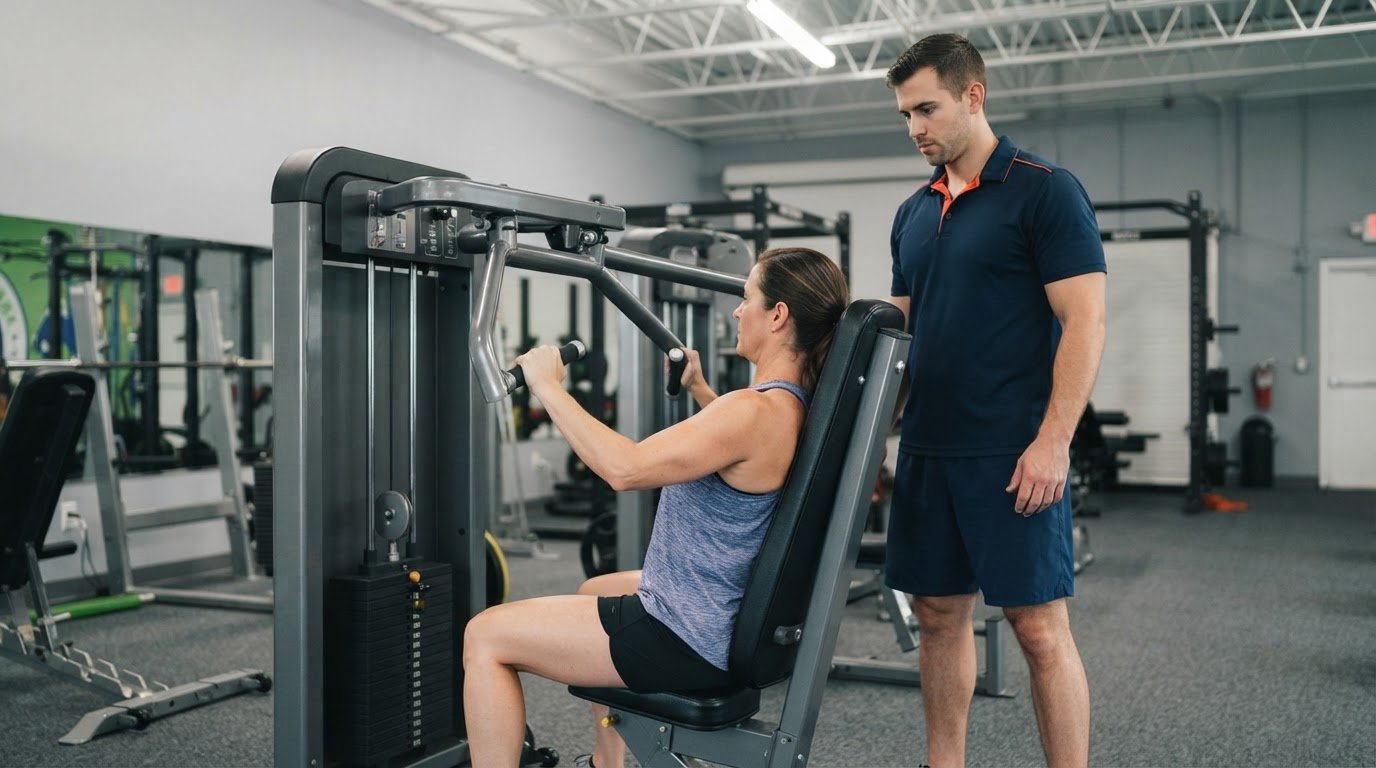
- Make coaching practical. Bring a coach your wedding date, schedule constraints, preferred activities, and movement concerns. A useful session can focus on adapting exercises, setting a manageable progression, and deciding how to adjust when plans change. Clear goals make each workout easier to follow between sessions.
- Connect food habits to training demands. Note how meals and snacks fit around workouts, then identify practical adjustments that suit your day. A nutrition coach can help turn a broad goal into everyday choices, such as planning a balanced meal before a busy evening. Avoid treating food as punishment for missing a workout.
If guided practice would help you build confidence with strength and cardio movements, explore a training session as a next step.
Nutrition as part of wedding fitness
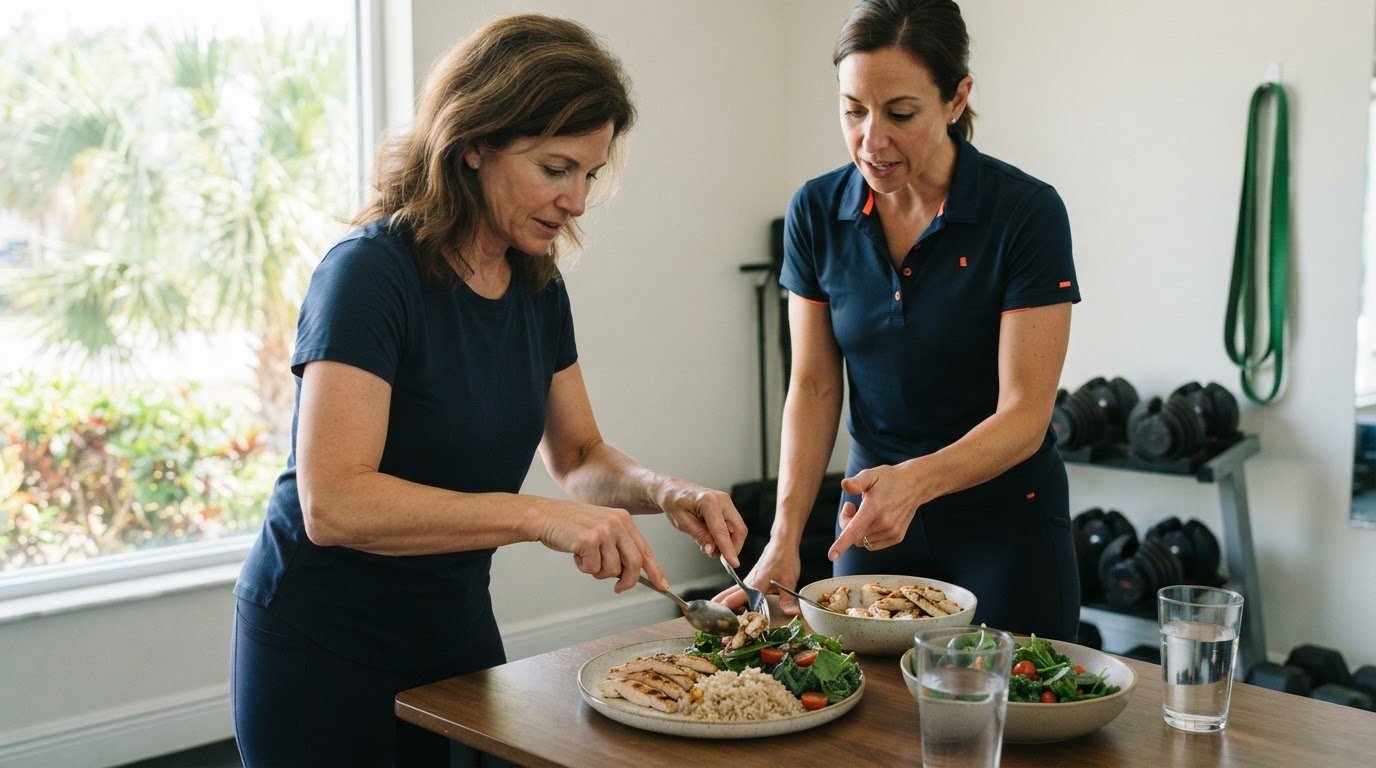
Pair your workouts with food and hydration habits that fit your real schedule. Simple routines can make wedding preparation feel more manageable.
- Build meals around satisfying basics. Include vegetables and lean protein alongside mostly whole, minimally processed foods. For example, add vegetables and a protein source to a lunch you already enjoy, rather than replacing your usual routine with a complicated menu. Aim for choices you can repeat during workdays, family dinners, and wedding errands. A steady pattern is easier to maintain than a drastic reset.
- Plan eating times around your day. One approach recommends eating small meals four to five times a day. Treat that as an option, not a rule you must force into your calendar. If meetings run through lunch, pack a practical snack; if you prefer fewer meals, plan nourishing portions that suit your schedule. The useful step is avoiding long gaps that leave you unprepared for the next busy stretch.
- Make workout days easier to manage. Decide ahead of time what you’ll eat before and after exercise, using familiar foods. For example, keep a simple snack ready for the commute home, then have dinner with a protein source and vegetables. This removes one last-minute decision from a full day. Notice which meal timing leaves you comfortable during movement, and adjust the routine accordingly.
- Make hydration a planned habit. One wedding plan advises drinking a gallon of water per day. Rather than treating that amount as a universal target, use it as a reminder to keep water accessible and drink regularly. Needs can differ with activity, weather, and personal circumstances. Carry a bottle during errands or keep one near your workspace, so hydration doesn’t depend on remembering at the end of the day.
- Skip crash-diet thinking. Avoid drastic food changes or treating exercise as compensation for a meal. A wedding schedule already brings dinners, tastings, travel, and busy workdays. Instead of turning to extreme or unverified shortcuts, exploring supervised programs such as Dr. Harris Medical Weight Loss can offer a safer, medically managed approach to your goals. Choose a workable meal pattern and return to it after celebrations, instead of responding with restriction. If a plan leaves you distracted, low on energy, or unable to follow your usual activities, simplify it and focus on sustainable choices.
- Prepare for predictable pressure points. Before a fitting day or travel, think through where meals will come from and pack a familiar option when convenient. For example, bring a snack for a long appointment rather than relying on a rushed stop. Keep grocery choices uncomplicated, such as vegetables and lean protein for a quick meal at home. Small preparations help nutrition stay part of your routine, even when the calendar shifts.
- Review the routine, not just the scale. Notice whether your meals support your workout schedule and everyday energy. If meal planning feels confusing, write down a typical workday and identify one practical change, such as preparing lunch ahead. Nutrition should support wedding fitness without taking over your life. Build habits that can continue after the celebration, too.
When to begin a pre-wedding fitness plan
Start about three months before the wedding, giving yourself time to build a routine gradually. Use the date as a planning anchor, not a reason to rush.
- Count back from the wedding date. Mark the wedding day on your calendar, then set a start date about three months earlier. Add known commitments, such as travel, dress fittings, work deadlines, and family events. This gives you a realistic view of the weeks available and helps you plan workouts around life instead of hoping spare time appears.
- Begin with your current routine. Before changing your schedule, note the movement you already do in a typical week. For example, record walks, active errands, or any strength workouts you already enjoy. Use that snapshot to choose a manageable starting point. If your calendar is full, place exercise in time slots you can protect, such as before work or after school drop-off.
- Set a process goal alongside your wedding goal. Choose an action you can repeat, such as completing planned workouts or preparing a few meals ahead. A wedding date gives the plan a deadline, but a repeatable habit gives each week direction. Keep the goal focused on your actions rather than a specific change in appearance or weight.
- Build the schedule around real commitments. Put workouts beside existing calendar events, not on top of them. For example, if a weekday evening includes family responsibilities, choose a different open slot or a shorter activity. Leave space for rest and wedding tasks. A plan that fits your work and home routine is easier to follow than one built around an ideal week.
- Use the time to learn what works. In the early part of your plan, notice which activities feel practical and which create scheduling friction. If a gym trip takes too much time, try a walk or a home workout. If you enjoy a class, use it as an anchor in your calendar. Keep useful options and adjust the rest.
- Adapt if you’re starting later. If the wedding is closer than three months away, begin with a steady routine now rather than trying to compress months of change into a few days. Choose familiar movement, plan meals that work with your schedule, and avoid adding extra sessions just to make up time. Consistency gives you a clear next step without turning wedding preparation into another source of pressure.
- Review the calendar as plans change. Revisit your schedule when travel, fittings, or celebrations appear. Move a workout to an open day or select a lighter activity when your week becomes crowded. The wedding date stays fixed, but your plan can flex. Use each calendar review to protect the habits you can maintain through the final stretch.
What is a safe pre-wedding fitness plan for the 8-12 weeks before a wedding?
Follow a repeatable weekly schedule, vary your workouts, and leave room for recovery. Adjust the effort to your starting point and calendar.
- Choose a weekly rhythm you can maintain. One plan recommends five training days per week. Another recommends activity for 45-60 minutes at a time, 5-6 days a week. Treat these as planning options, not targets to combine automatically. Choose a schedule that fits your current routine, then make it manageable around work, family, and wedding tasks.
- Give each workout a clear purpose. A weekly outline can include one fundamental movement workout, one strength workout, one burn workout, and one bonus cardio workout. That gives the week variety without making every session intense. For example, keep the bonus cardio choice enjoyable, such as a walk or another activity you already like.
- Follow a six-week rotation when it suits your timeline. During weeks 1 and 4, the schedule pairs a 3-3-3 fundamental movement workout with a full-body strength circuit, a super circuit burn workout, and a choice of cardio. Weeks 2 and 5 use a superset fundamental workout, a 30/30 strength workout, a suspension circuit burn workout, and chosen cardio.
- Use the next rotation for variety, not extra pressure. During weeks 3 and 6, the outline includes a fundamental workout circuit, a superset strength workout, a full-body burn circuit, and a cardio choice. Keep movements controlled and select options that match your experience. A new format should make training engaging, not turn the session into a test.
- Repeat before increasing the challenge. The workout guide repeats the first three weeks during the second three weeks and recommends increasing weight as strength improves. Keep the same movements while you learn them. Add weight only when you can complete the exercise with steady form, rather than increasing weight and changing several exercises together.
- Protect a recovery day. The plan recommends taking Sunday to relax and take it easy. Recovery can also include gentle cardio, yoga, stretching, foam rolling, or balance work. Think of recovery as the space between practice sessions that lets your routine stay consistent. Don’t turn every open day into another demanding workout.
- Keep the final weeks practical. Choose workouts you enjoy, and adapt sessions around fittings, travel, and wedding events. If the calendar gets crowded, use a lighter activity instead of squeezing in missed workouts. Explore a guided fitness session to add structure to your plan.
TrYumph Fitness
TrYumph Fitness supports busy adults in Seminole, Largo, Clearwater, Pinellas Park, Indian Rocks Beach, and Madeira Beach with personal and small-group training, nutrition, and accountability. If wedding plans compete with work or family responsibilities, Personal & Small Group Training can add structure to your exercise routine, while nutrition coaching helps you build food habits that support your fitness goals.
Consider coaching if you’re unsure how to shape a routine, need help staying consistent, or want fitness and nutrition guidance to work together. Choose a next step that fits your schedule and feels manageable, rather than adding pressure.
Contact TrYumph Fitness to talk about support for your wedding fitness goals.
Carry your momentum beyond the wedding
Your wedding can be a starting point, not a finish line. A routine that fits real life can remain useful after the celebrations, helping you make space for movement amid work, family, and changing priorities. Think beyond the event: choose habits you’d want in an ordinary week, whether that’s a walk to clear your head or a strength session that helps you feel capable.
A pre-wedding fitness plan in Seminole can also help you notice what makes you feel energized and supported. Carry that insight forward. Your next step can be a conversation about a routine that matches your goals and daily commitments.
Explore your next step with TrYumph Fitness and start building a routine that feels like yours. Make room for progress that continues well beyond the wedding day.
Frequently Asked Questions
How early, and how often should you exercise?
Begin about three months before the wedding and set a regular weekly rhythm. For a pre-wedding fitness plan in Seminole, schedule workouts around work, family commitments, and wedding preparations so exercise doesn’t depend on finding spare time. Choose consistent days and keep a backup activity, such as a walk, for busy days. That structure helps you stay active without cramming missed sessions into one week.
How many days per week should a bride or groom exercise before a wedding?
One suggested schedule includes five training days per week, while another recommends being active for 45-60 minutes at a time, 5-6 days a week. These are planning options, not a reason to jump straight into a demanding routine. Choose a schedule that matches your current activity and obligations. If you’re new to regular exercise, start with a manageable pattern and build from there rather than treating every day as a hard workout.
What nutrition and hydration guidelines support healthy pre-wedding fitness?
Build meals around mostly whole, minimally processed foods, vegetables, and lean protein. For example, add vegetables and a protein source to a familiar lunch instead of replacing meals with a restrictive menu. One wedding plan suggests a gallon of water per day, but hydration needs vary with activity, weather, and individual circumstances. Keep water handy during errands and workouts, and avoid crash diets that make everyday routines harder.
How can a pre-wedding fitness plan be tailored to a beginner or different fitness levels?
Start with movements and effort you can manage with steady form, then adjust gradually. A beginner might choose walking and controlled bodyweight exercises, while someone already active could continue familiar strength and cardio workouts. During the first two weeks, increase intensity gradually and change one element at a time, such as pace or resistance. Track what suits your schedule and recovery, then adapt the routine instead of copying someone else’s plan.
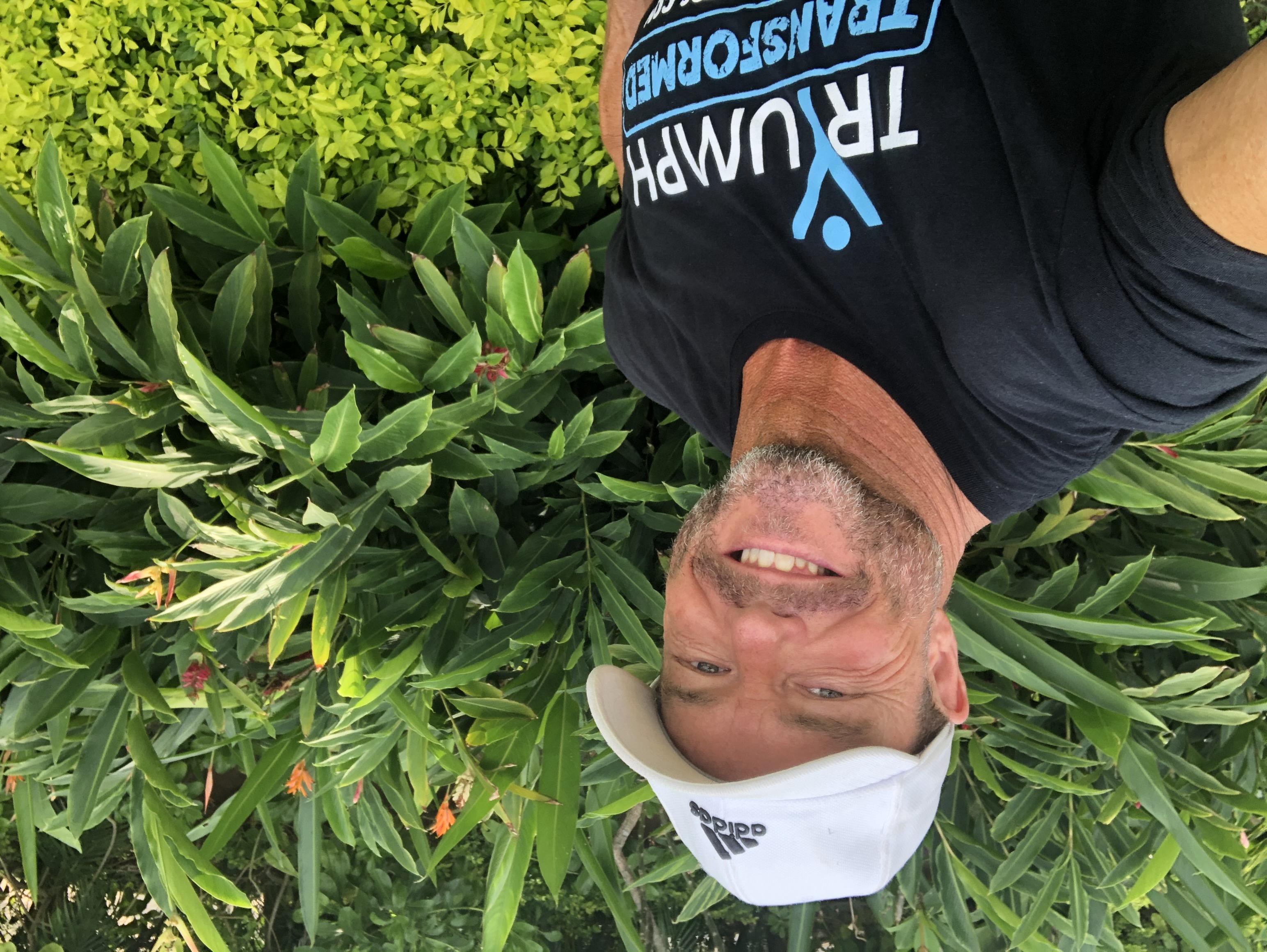
Article by
Coach Matt O'Brien
Coach Matt O'Brien is the founder of TrYumph Functional Training and TrYumph KidFit, where he has helped thousands of adults, children, and families build stronger, healthier, and happier lives through science-based health coaching, personal training, and small group training since 1998. With more than 25 years of coaching experience and over 25,000 hours working one-on-one and in small-group settings, Matt specializes in helping busy adults improve strength, energy, weight loss, nutrition, and long-term health through practical, sustainable lifestyle change.
Matt is a National Board Certified Health & Wellness Coach (NBC-HWC), Certified Strength and Conditioning Specialist (CSCS), Precision Nutrition Level 1 Coach (PN1), and Master Health Coach. His expertise spans strength training, nutrition coaching, healthy habit formation, performance optimization, and healthy aging, helping clients build resilience and enjoy a higher quality of life for years to come. He is also the author of THE MAGIC PILL and FITNESS FUEL (Cookbook) and is passionate about translating complex health and longevity science into simple, actionable strategies that busy people can apply in everyday life.
Through TrYumph KidFit, Matt is equally committed to improving kids fitness, confidence, athletic development, and lifelong healthy habits by creating fun, encouraging environments where children can thrive physically, mentally, and socially.
Matt's coaching philosophy is built on simple beliefs: movement is medicine, consistency beats perfection, and sustainable habits create extraordinary results. His mission is to help people live longer, healthier, happier lives through coaching, community, and caring.
When he's not coaching at TrYumph, Matt enjoys spending time with his wife and two sons, continuing his education in health and longevity science, and creating educational content that empowers people to take control of their health.