Strength training for fat loss in Clearwater doesn’t require daily lifting. A practical starting point for women is strength training at least two days per week. The U.S. Department of Health and Human Services recommends muscle-strengthening activity for all major muscle groups on that schedule. You can build a manageable routine without assuming lifting will automatically make you bulky.
If you’re balancing work, family, and everything else, it makes sense to want a plan that fits real life. Choose workouts suited to your ability and build a routine you can maintain, rather than trying to do everything at once.
Here, you’ll learn how often to lift, how to adapt exercises to your experience, and how nutrition, protein, and recovery can support fat loss. You’ll also see how strength training can fit alongside cardio, so you can focus on getting stronger and making steady progress without turning fitness into another full-time job.
Key Takeaways
- Choose challenging weights that let you complete 6-15 controlled repetitions, while keeping your form steady.
- Plan recovery between hard sessions for the same muscle group so your routine is easier to sustain.
- Match exercises to your current ability, then build confidence and challenge gradually.
- Support fat loss with a steady nutrition approach and a protein source at each meal.
- Use coaching or a weight loss challenge when structure and accountability would help you stay consistent.
How Often Should a Trainer Have You Strength Train to Lose Weight?
The U.S. Department of Health and Human Services recommends muscle-strengthening activity for all major muscle groups at least two days per week. Rather than chasing a specific rate of fat loss that may not suit every woman, aim for steady progress that supports your energy, training, and ability to preserve lean muscle.
-
Build or Preserve Lean Muscle
Ask your trainer to include exercises that challenge the major muscle groups in your weekly sessions. Strength training gives your body a reason to maintain muscle while you lose weight, and beginners may also build muscle as they get stronger. Look for gradual progression, with good form established before increasing the weight. Don’t rely on rapid scale changes as the only sign your approach is working.
-
Understand Muscle and Calorie Expenditure
Keep strength work in your routine for its muscle-building value, not as a shortcut to burning calories at rest. Skeletal muscle uses roughly 6 calories per pound per day at rest, while fat uses roughly 2 calories per pound per day at rest. That difference is modest. A trainer should not promise that adding muscle alone will cause substantial weight loss; nutrition and consistent activity matter too.
-
Consider Fat Loss and Muscle Building
Track strength and changes in how your body feels alongside your weight as your program continues. Fat loss and muscle gain can happen together, particularly when you’re new to resistance training, so the scale may not show the full picture. Your weight may change slowly while your clothes fit differently and exercises feel easier. Use these signs with your trainer to assess progress instead of making abrupt changes after one weigh-in.
- Schedule sessions with recovery in mind. Work with your trainer to spread strength sessions across the week, leaving at least one day between hard sessions for the same muscle group. This gives tired muscles time to recover before another demanding workout. If your schedule is tight, two well-planned weekly sessions can meet the U.S. recommendation while fitting around work, family, and other commitments.
- Choose a challenging weight and controlled repetitions. A trainer can select a load you can lift for 6-15 repetitions, a range used for muscle development. The right weight challenges you without making you sacrifice control or form. Keep 1 to 2 repetitions in reserve, meaning you finish each set before you could no longer complete another repetition safely. As the same weight becomes easier, your trainer can adjust the challenge.
Will Strength Training Make Women Too Muscular?
Strength training can make you stronger without requiring an aggressive, high-volume schedule. A 2020 systematic review and meta-analysis found that women and men gained muscle and strength at similar relative rates on the same program. That finding describes progress relative to each person’s starting point, not a promise that your body will look a certain way.
- Begin with two full-body strength sessions per week. This is a manageable starting point if you’re new to lifting or returning after time away. Each workout can train your upper and lower body, with time to recover between sessions. Use the first weeks to learn the movements and establish a repeatable routine, rather than chasing soreness or trying to change body fat with daily workouts.
- Build toward three strength days if your schedule and recovery support it. Three weekly strength days are one option in fat-loss programs. For example, you could schedule full-body workouts on Monday, Wednesday, and Friday, with recovery days between them. If three sessions make your week harder to manage, stick with two consistent sessions. A sustainable schedule is more useful than a demanding plan you can’t maintain.
- Separate strength work from optional interval training. Some programs combine three strength days with metabolic resistance or interval workouts on two other days. These are options, not requirements for every woman. A trainer can adjust the weekly plan to your experience, energy, and recovery. If workouts leave you too drained to maintain good form or manage everyday demands, the schedule needs a better balance.
- Use recovery to guide schedule changes. Leave one day between hard sessions for the same muscle group. If you’re recovering well, your trainer can discuss adding a session or adjusting the mix of workouts. If fatigue increases or performance declines, reduce the training demand before adding more. A healthy plan should help you get stronger while leaving room for work, family, and sleep.
- Choose a plan that matches your real week. A trainer-planned schedule should account for your available days, current training experience, and preferred workout style. Personal Training can make it easier to tailor the schedule and adjust it as your strength changes. If you’d like support choosing a workable routine, explore a training trial.
How a Trainer Selects Exercises and Matches Workouts to Your Ability
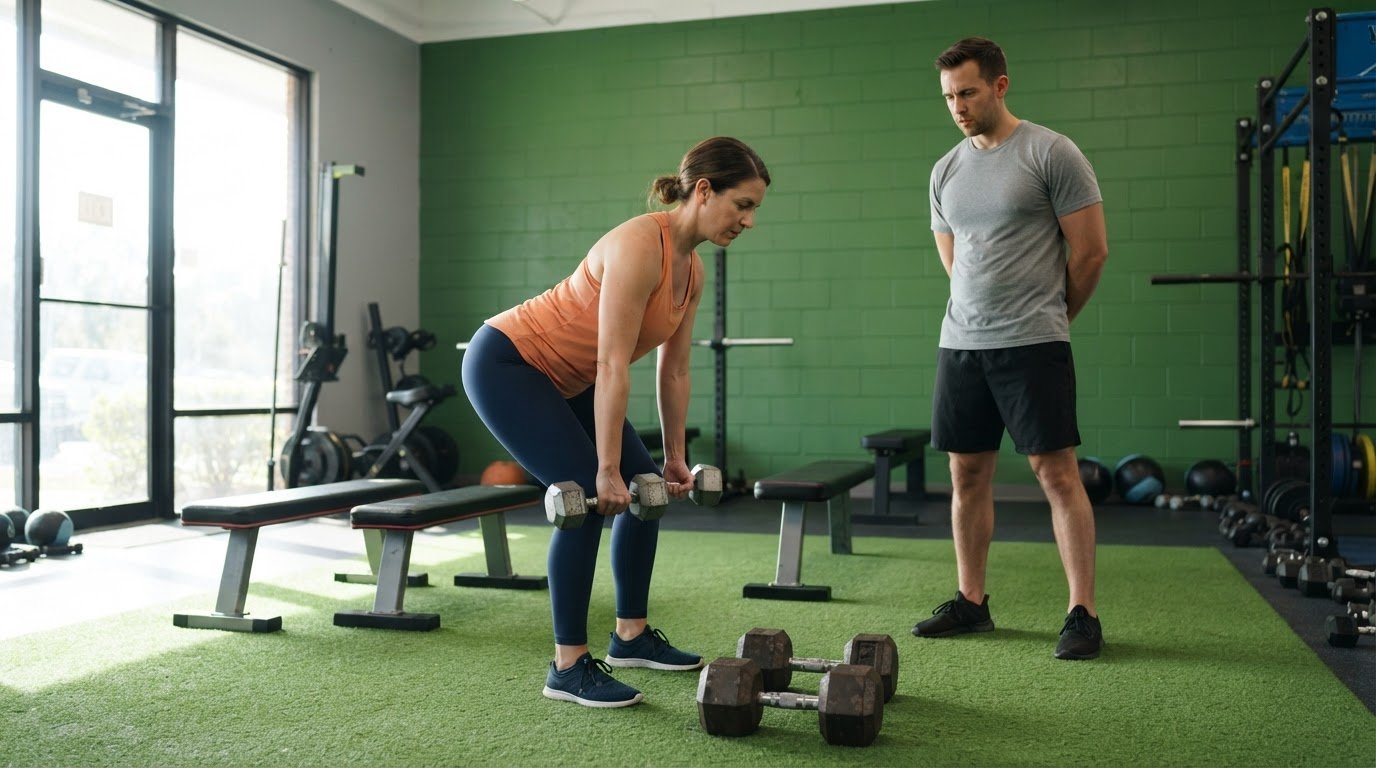
Strength training can lead to strains or joint irritation, especially when the weight, speed, or technique exceeds your current ability. A trainer can help reduce these risks by teaching each movement, choosing manageable resistance, and adjusting the program if your technique breaks down.
- Start with your movement experience and needs. A trainer can learn which exercises you know, what feels uncomfortable, and what you want from your workouts. If a deep squat feels awkward, for example, they can assess your movement and start with a version you can control. Your starting point should guide exercise selection, not a one-size-fits-all template.
- Build the program around basic movement patterns. Squats, hinges, pushes, pulls, and lunges train actions you use in everyday life. A trainer might start with a supported squat, a light hip hinge, and a row before adding complexity. These movements help work different muscle groups without turning every session into a long list of unrelated exercises.
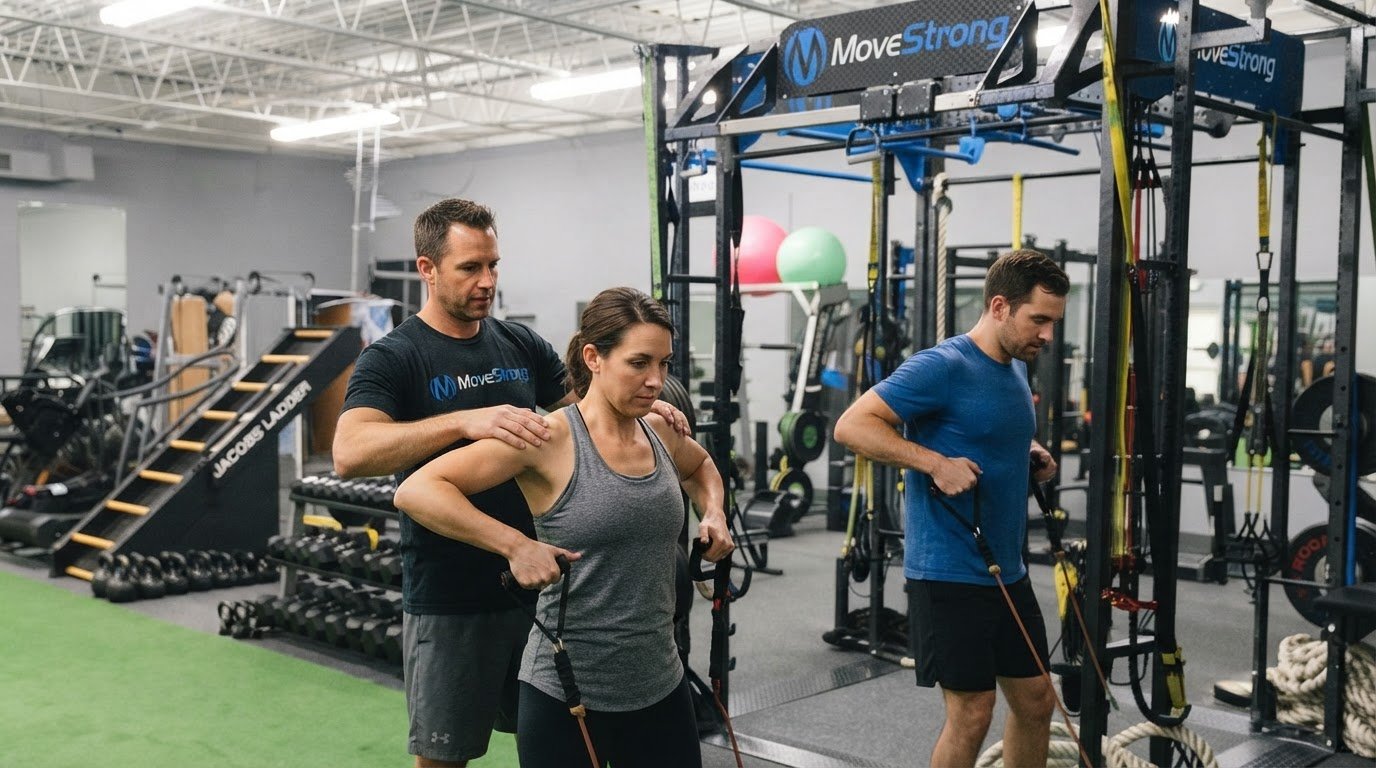
- Choose equipment that suits your current control. Dumbbells, machines, resistance bands, and body-weight exercises can all provide a challenge. A 2019 meta-analysis found elastic-resistance training produced strength gains comparable to conventional machines and free weights. In practice, a trainer can begin with a band or machine, then change the resistance as your technique and confidence develop.
- Progress one training demand at a time. Once you can complete an exercise with steady control, your trainer can adjust the weight, repetitions, range of motion, or variation. For example, a body-weight squat might progress to a goblet squat when your movement stays smooth. Changing one factor at a time helps you judge what feels manageable and keep your program sustainable while losing fat.
- Use form and comfort to guide each session. A trainer can demonstrate a movement, watch your repetitions, and offer an easier option if your posture or control changes. Speak up if an exercise causes sharp discomfort or feels unstable. For example, they might replace a floor push-up with an elevated version. The aim is to challenge yourself while keeping your movements deliberate and controlled.
- Adjust the workout as your ability changes. Keep exercises that feel productive and revisit those that need more practice. A trainer can record the weight and variation you use to help plan your next session. If work or family demands leave you tired, they can modify the workout rather than expecting the same effort every time. Consistency grows from a program that fits your real life.
How a Coach Supports Nutrition, Protein, and Recovery During Fat Loss
A coach can bring nutrition, protein, resistance training, and recovery together in a consistent plan. For example, meal habits and workout intensity can be adjusted together when a busy week disrupts your routine.
- Start with one practical nutrition habit. A coach can help you choose a change that fits your usual meals, rather than rebuilding your whole routine at once. One useful starting point is to include a protein source at every meal. Plan a protein choice alongside breakfast, lunch, and dinner. This simple structure can make your daily nutrition easier to repeat during a demanding workweek.
- Set a measured calorie target, not a crash diet. One suggested starting point is a 100-250 calorie reduction from maintenance needs. A coach can help you think through portions and regular eating patterns while keeping the approach realistic. A steady deficit supports gradual fat loss; severe cuts can make workouts and everyday routines harder to sustain. The goal is a repeatable change, not a short burst of restriction.
- Pair protein habits with resistance training. Protein provides building material, while resistance training gives your muscles a reason to stay strong during weight loss. Think of them as two parts of the same plan, like ingredients and a recipe. A coach can help you connect meals and training days without making every meal complicated. First, focus on including a protein source at each meal and building consistency.
- Adjust workout intensity to your real-life energy. A demanding day at work or disrupted sleep can affect how a session feels. Tell your coach, who can adjust the workout’s weight, pace, or volume. For example, a controlled strength session may suit you better than pushing through a high-effort circuit when you feel depleted. Adjusting effort helps you maintain good movement and consistency.
- Make recovery part of the plan. Treat rest as a planned part of training, not a reward you earn after an exhausting week. Your coach can review your energy, strength, and routine, then adjust upcoming sessions. If your performance keeps dipping, the plan may need less intensity or more recovery time. This practical feedback helps balance fat-loss goals with work and family demands.
- Review progress through habits and performance. Give your coach a clear picture of what feels manageable, such as meals you can repeat and workouts you can attend consistently. Speak up if the plan feels too restrictive or your energy regularly drops. Together, you can adjust one part at a time, such as meal structure or session intensity. Small, trackable changes can make your nutrition and training foundation easier to maintain.
Women’s concerns about becoming bulky
If lifting makes you worry about unwanted muscle size, discuss that goal before choosing a program. The relative-rate finding above describes muscle and strength gains, not a guaranteed body shape. Let your training, nutrition, and preferred fitness outcomes guide the plan.
- Tell your coach what “leaner” means to you. Give a practical example, such as wanting stronger legs without making muscle size your main goal. That conversation can help keep coaching focused on strength, confidence, and steady fat loss rather than a look you don’t want. A useful plan should reflect your priorities, not assume every woman wants the same result from lifting.
- Choose movements that build useful strength. Squats, rows, presses, and hip hinges train everyday movement patterns while developing strength throughout your body. Your coach can adjust the exercise, resistance, and effort to suit your ability. A supported squat, for example, can help you practice control before trying a more demanding version. Getting stronger doesn’t mean you’ll suddenly become bulky.
- Keep your goal focused on the whole plan. Lifting is one part of fat loss, alongside nutrition, recovery, and regular activity. Adding cardio can support overall fitness, but it doesn’t need to replace resistance training. The U.S. Physical Activity Guidelines recommend 150 to 300 minutes of moderate aerobic activity per week. Your coach can help fit activity around your schedule and current routine.
- Use more than the scale to notice change. Track how your clothes fit, waist measurements, and progress photos alongside weight. A skirt fitting more comfortably or a familiar movement feeling easier can show changes the scale alone may miss. Look at these signals over time, not after one workout. Together, they give you a clearer view of whether your routine supports your goals.
- Review the plan when your goals or experience change. Tell your coach if a movement feels uncomfortable or a workout no longer matches your priorities. They can adjust the exercise, resistance, or balance between lifting and cardio to keep the plan personal and sustainable. You can also discuss how nutrition habits fit your training, rather than responding to body changes with sudden restrictions.
- Take the next step with support. If you want help shaping a routine around your goals, explore a training trial and discuss the movements, cardio, and coaching approach that fit your needs.
TrYumph Fitness: Weight Loss Challenges
TrYumph Fitness offers Weight Loss Challenges for women who want structure and support as they build healthier routines. A challenge may be a good next step if you understand the basics of strength training but would benefit from added accountability. If coaching and guided workouts better match your needs, consider Personal Training or Small Group Training.
Choose the kind of support that fits your schedule and what helps you follow through. For a busy week, a realistic plan should work alongside family, work, and recovery, not compete with them. If you’re ready to talk about your goals and which option feels right, contact TrYumph Fitness.
Make Your Next Step Feel Possible
Your next step doesn’t need to be a complete life overhaul. Choose one routine you can realistically maintain, then build from there. A planned workout that fits around work, parenting, and recovery is more useful than an ambitious schedule that leaves no room for real life. Start where you are and adjust as your needs change.
If you’re looking for strength training for fat loss as a woman in Clearwater, support can make it easier to turn your goals into a routine. TrYumph Fitness offers Personal Training, Small Group Training, and KidFit, giving you different ways to explore fitness support. The right next move is the one that feels manageable for you.
Contact TrYumph Fitness to explore your next step. You can begin with a conversation about what you want from training and what fits your week. Keep moving forward, one practical choice at a time.
Frequently Asked Questions
How Can a Trainer Combine Weight Training and Cardio for Fat Loss?
A trainer can schedule strength work and cardio so they complement rather than crowd each other out. For example, a weekly plan might place strength sessions on separate days from brisk walks, or add a short cardio finisher after lifting. The right arrangement depends on your energy, schedule, and recovery. Share which days are busiest so the plan fits your real week.
What Could a Trainer-Designed Fat-Loss Program Look Like?
A trainer-designed program can combine strength workouts, cardio, meal habits, and progress reviews. Your coach might schedule training around work shifts, then choose a simple nutrition habit to practice during busy evenings. The plan can change as your strength, routine, and preferences develop. Rather than overhauling everything at once, focus on one manageable adjustment and build consistency from there.
What Kind of Strength Training Can a Trainer Recommend for Fat Loss?
A trainer can recommend a program using free weights, machines, resistance bands, or body-weight exercises. The choice depends on your experience, comfort, and the movement you’re learning. A band, for example, may help you practice pulling with control, while a machine can make it easier to focus on a particular movement. Your coach can vary the tools while keeping the workout aligned with your goals.
Why is belly fat so hard to lose for women?
Belly fat can be frustrating because ab exercises strengthen your core but don’t selectively remove fat from your stomach. Fat loss happens across the body, and where changes appear first varies between people. A stronger core, for instance, may make a plank feel easier without changing your waist right away. Focus on your full routine and track changes using more than one measure.
Will lifting weights make me bulky?
Lifting weights doesn’t automatically create a bulky appearance. Your results reflect your overall training and nutrition approach, including how much muscle you build over time. Tell your trainer which strength and appearance goals matter to you before choosing a plan. That gives your coach a clear target for exercise selection, training effort, and progress reviews.
How does strength training support fat loss for women?
Strength training helps women work toward fat loss while building or preserving muscle. It can also support benefits beyond appearance: strength training can help increase bone density, the amount of mineral packed into your bones, and prevent bone loss. Think of bone density like the compactness of a building’s framework: strength training can help support that framework. For middle-aged and older women, it can improve strength, balance, and quality of life. Progress might mean carrying groceries more comfortably or feeling steadier during everyday movement.
What Strength Training Routine Can a Trainer Design for Women Losing Fat?
A trainer can design a routine around your schedule, experience, and preferred exercises. One workout might emphasize upper-body movements, while another prioritizes lower-body work, with recovery planned between harder sessions. Whether you’re in Largo, Seminole, Clearwater, Pinellas Park, Indian Rocks Beach, or Madeira Beach, the same principle applies: a useful routine fits the person, not just the calendar.
How Many Days per Week Might a Trainer Recommend Women Strength Train for Fat Loss?
The U.S. Department of Health and Human Services recommends muscle-strengthening activity for all major muscle groups at least two days per week. A trainer can use that as a starting point and account for your training experience, other activity, and recovery. Someone with established lifting experience may follow a different weekly schedule from a beginner. The key is choosing a frequency you can sustain consistently.

Article by
Coach Matt O'Brien
Coach Matt O'Brien is the founder of TrYumph Functional Training and TrYumph KidFit, where he has helped thousands of adults, children, and families build stronger, healthier, and happier lives through science-based health coaching, personal training, and small group training since 1998. With more than 25 years of coaching experience and over 25,000 hours working one-on-one and in small-group settings, Matt specializes in helping busy adults improve strength, energy, weight loss, nutrition, and long-term health through practical, sustainable lifestyle change.
Matt is a National Board Certified Health & Wellness Coach (NBC-HWC), Certified Strength and Conditioning Specialist (CSCS), Precision Nutrition Level 1 Coach (PN1), and Master Health Coach. His expertise spans strength training, nutrition coaching, healthy habit formation, performance optimization, and healthy aging, helping clients build resilience and enjoy a higher quality of life for years to come. He is also the author of THE MAGIC PILL and FITNESS FUEL (Cookbook) and is passionate about translating complex health and longevity science into simple, actionable strategies that busy people can apply in everyday life.
Through TrYumph KidFit, Matt is equally committed to improving kids fitness, confidence, athletic development, and lifelong healthy habits by creating fun, encouraging environments where children can thrive physically, mentally, and socially.
Matt's coaching philosophy is built on simple beliefs: movement is medicine, consistency beats perfection, and sustainable habits create extraordinary results. His mission is to help people live longer, healthier, happier lives through coaching, community, and caring.
When he's not coaching at TrYumph, Matt enjoys spending time with his wife and two sons, continuing his education in health and longevity science, and creating educational content that empowers people to take control of their health.