Strength training for seniors in Pinellas Park should match your current abilities, goals, and age-related changes in muscle and bone. Adults lose roughly 3-8% of muscle mass per decade after age 40, and the process can accelerate after 60 unless reversed. A thoughtful plan makes strength equipment and training decisions around the person, not just the age.
If you’re balancing work, family, and your wellbeing, strength training for seniors should feel practical and supportive, not intimidating. A trainer can adapt strength exercises to your experience and goals, explain how equipment works, and take changes in muscle and bone into account when discussing a plan.
Here’s what to consider when choosing professional training in Pinellas Park and the wider Tampa Bay area, so you can understand your options and take a confident next step.
Key Takeaways
- Look for professional coaching that adapts strength work to your abilities, goals, and experience.
- Learn how free weights and other strength equipment can support a training plan suited to you.
- Understand why bone and joint changes matter when planning comfortable, sustainable exercise.
- See how age-related muscle changes can shape training priorities over time.
- Explore how professional training in Pinellas Park and Tampa Bay can fit into a busy routine.
Senior fitness trainers serving Pinellas Park
For strength training for seniors in Pinellas Park, look for coaching that adapts exercises to your experience, movement, and goals. A local personal-training program is intended for adults 50 and over. That age range offers a useful starting point, but the coach should still tailor sessions to each person.
Does Medicare or a Medicare Advantage plan cover senior fitness programs in Pinellas Park? Coverage varies by plan, and some Medicare Advantage plans may include a fitness benefit. Review your plan’s benefit details to see whether a particular program qualifies.
Are there free or low-cost strength training classes for seniors in Pinellas Park? The Pinellas Park Senior Center is a local place to explore senior activities, but its listed details don’t identify a strength-class fee. Ask about current fitness programming and registration before planning around a class.
Which gyms and senior fitness centers in Pinellas Park offer strength training? The Pinellas Park Senior Center is a named local senior facility, with shuffleboard among its amenities. A local personal-training program also serves adults 50 and over. Confirm that a specific session includes coached strength work, rather than assuming every senior activity does.
Choose a setting that matches your comfort and support needs. In one-on-one training, the instructor can focus on your movement and adjust exercises as needed. Small-group training offers shared coaching and a social setting. For either format, ask how exercises are adapted for different experience levels, how equipment is explained, and what alternatives are available if a movement feels uncomfortable.
What are the class schedules and registration requirements for senior fitness programs in Pinellas Park? The Pinellas Park Senior Center is open Monday through Friday from 8:00 AM to 5:00 PM and Saturdays from 8:00 AM to 12:00 PM. Those are facility hours, not a strength-class schedule; ask the program about class times and how registration works.
How can seniors find transportation to strength training classes in Pinellas Park? Start with the class location and time, then identify a reliable way to get there. Ask the center or program staff about local transportation resources, and plan your trip around the confirmed schedule.
Pinellas Park Senior Center, at 7625 59th Street N, Pinellas Park, Florida 33781, has 16 shuffleboard courts. The courts have hosted annual Good Life Games shuffleboard tournaments since 2011. These activities show the center’s community role, but shuffleboard is not a substitute for coached strength training. Falls are described as the leading cause of injury for adults 65 and older, making balance and safe movement relevant topics to discuss with an instructor. If you have health concerns, check with your doctor before starting a boot camp.
Classes may last 30 to 60 minutes, and some fitness boot camps run for four to six weeks.
Free weights and strength equipment
Strength equipment gives a trainer options beyond a single type of exercise. Dumbbells, resistance bands, cable stations, and weight machines each provide resistance differently. The right choice depends on the movement, your experience, and how comfortably you can use the equipment. A trainer can explain each option, demonstrate the setup, and observe your movement before adjusting the exercise.
Free weights such as dumbbells let each arm move independently, which can help a trainer observe differences between sides during a press or curl. A machine guides movement along a set path, while a cable station allows resistance to come from different directions. Bands provide another option when flexible resistance suits the exercise. Each tool has a purpose; none is best for every situation.
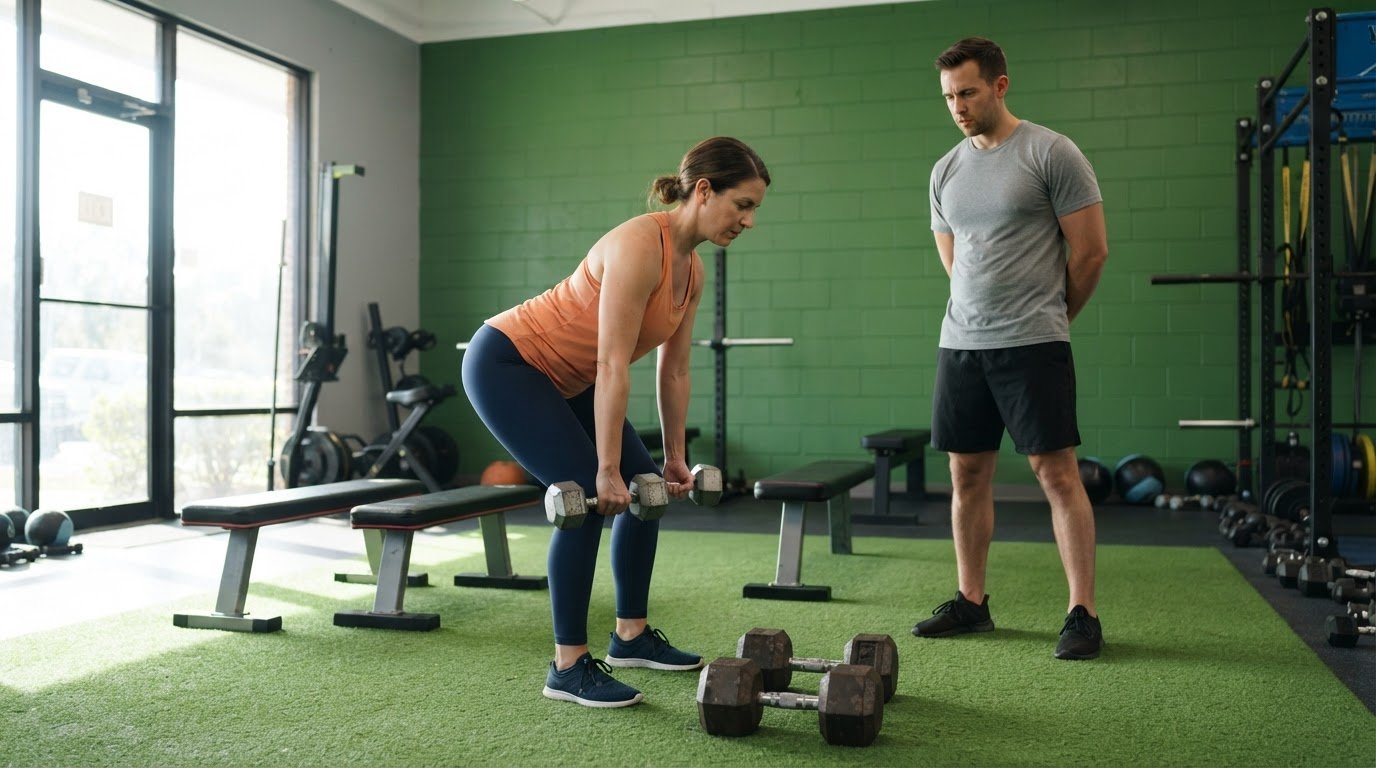
- Dumbbells: Useful for coached movements such as a seated press or curl. The instructor selects an appropriate weight and checks your control.
- Resistance bands: Can add resistance to a standing row. The trainer positions the band and demonstrates how to keep it steady.
- Weight machines: Support guided movements, such as a chest press. The instructor adjusts the setup to fit your body and range of motion.
- Cable stations: Offer adjustable resistance for movements such as a row. The trainer sets the handle and direction for the exercise.
Equipment setup matters as much as equipment type. For a seated machine, the instructor may adjust the seat so the handles are within comfortable reach. For a dumbbell exercise, the coach can show you how to pick up, hold, and return the weight. Clear instruction helps if you’re new to strength training or returning after time away.
In a class, ask how the instructor adapts an exercise if equipment feels awkward or isn’t available. Depending on the setup and your goals, a standing band row might be replaced with a cable exercise. The important thing is having a clear alternative, not feeling pressured to push through discomfort. Tell the instructor what feels manageable.
A useful first session includes a conversation about your experience, a demonstration, and time to learn the equipment. Notice whether the trainer explains the movement in plain language, checks your form, and offers adjustments. If you’d like a guided introduction to training, explore the free trial and consider how coaching could fit your goals.
Bone density and joint health
Bone and joint considerations can affect exercise choice, movement range, and equipment setup. A trainer might adapt a workout with an example such as a supported squat or seated press.
Bone Density
Bone density describes how much mineral is packed into bone, helping give it structure. Tell the trainer about any known bone-health concerns before discussing exercises. That context can help you consider suitable movements and resistance rather than treating every workout as the same.
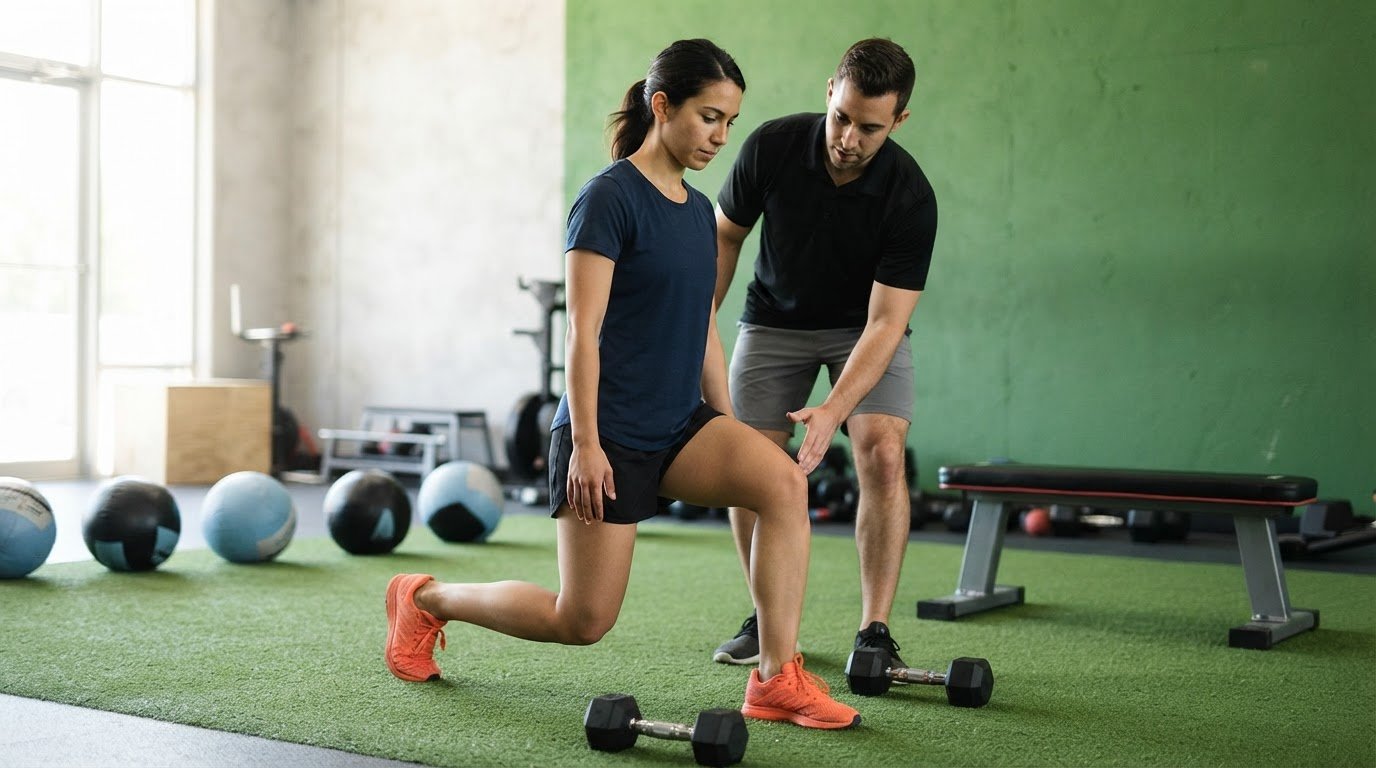
Strength exercises can load the body in different ways, depending on the movement and resistance. A supported sit-to-stand, for example, differs from an overhead lift. The instructor can explain why an exercise is included, demonstrate the setup, and adjust the range of motion. Ask how the session will take your bone-health needs into account.
If a clinician has given you movement guidance, share it with the instructor before training. It can inform exercise choices, such as considering a seated leg exercise instead of a standing movement. It also gives the coach clear context for adapting an exercise.
Joint Health and Safety
Before strength training, tell the instructor about health concerns, joint pain, recent falls, or movement limitations. If you have health concerns, speak with your doctor before starting a boot camp.
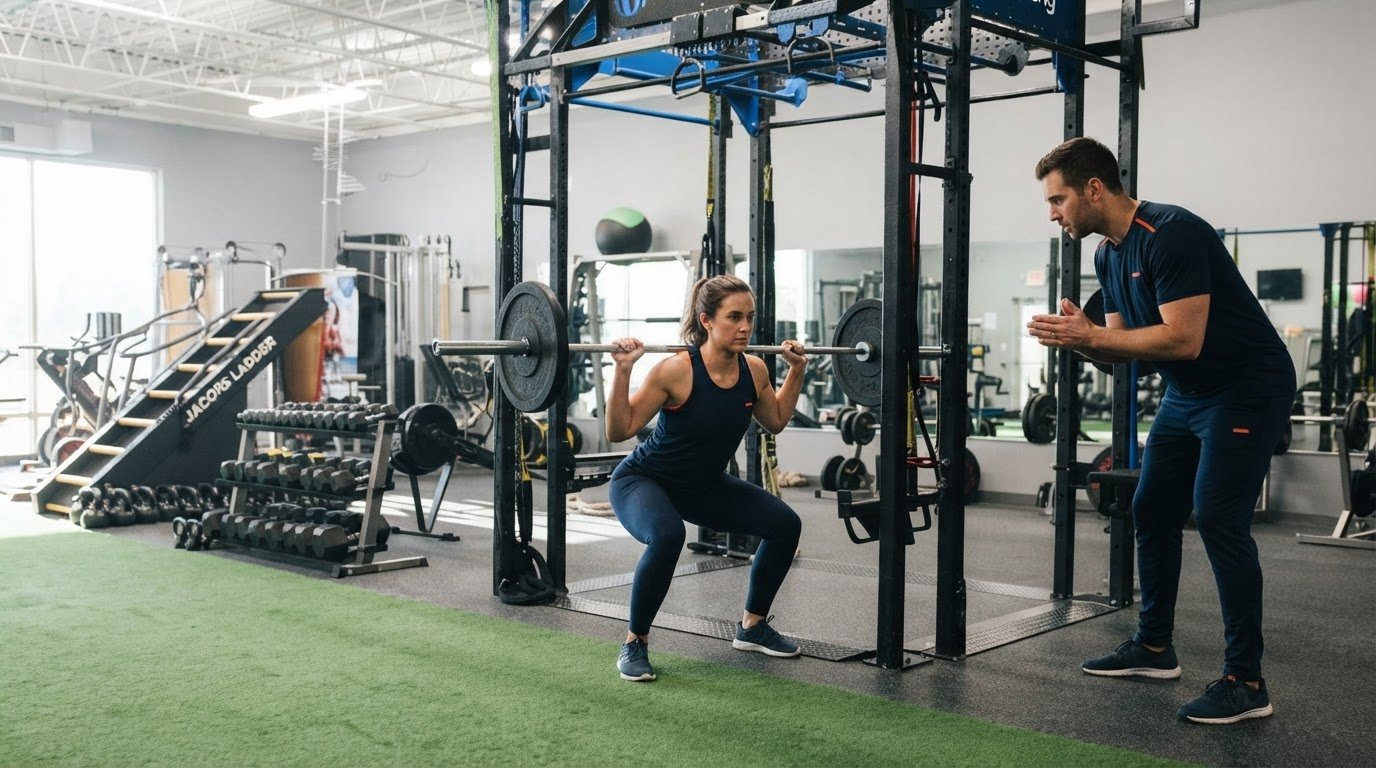
Joint comfort can vary with the exercise, position, and range of motion. During a seated press, for example, the trainer can adjust the seat and guide a comfortable movement path. For a supported squat, they can provide a stable support and coach the movement without expecting you to copy another participant.
Speak up if an exercise causes pain or feels unstable. The instructor can pause, review your position, and offer a different movement, such as a seated option instead of standing work. Clear communication helps the coach tell the difference between a challenging exercise and one that needs adjustment.
Before a workout, ask how the instructor handles warm-ups, rest, and transitions between equipment. Moving from a machine to free weights, for instance, involves a different setup and may call for more balance. A good plan gives you time to learn each movement, find your position, and ask for help before changing equipment.
In small-group training, tell the instructor if you need an individual adjustment. Participants may have different movement histories, so one version won’t suit everyone. The coach can demonstrate an alternative, such as a supported variation, and make sure you understand it before continuing.
Use your first session to discuss your goals, relevant health guidance, and movements that feel comfortable. Ask the trainer to explain any adjustments and what to do if discomfort arises. A clear plan should leave you understanding the next step, not guessing about your joints or bones.
Muscle loss with age
Age-related muscle loss can change how everyday movements feel, from standing up to carrying groceries. Adults lose roughly 3-8% of their muscle mass per decade after age 40, and the process accelerates after age 60 unless reversed. A strength plan can give muscles a structured challenge, with exercises selected around your current ability and daily goals.
Think of muscle as a reserve that supports everyday tasks. A trainer can ask which movements feel harder and use your answers to guide exercise choices. If getting up from a chair takes effort, the coach might assess a supported sit-to-stand. If carrying shopping bags is a goal, the trainer can discuss a controlled carrying movement. The aim is to practise movements that matter, not just exercises chosen for appearance.
Muscle mass and movement quality developed in a person’s 50s and 60s are important for an independent, active life in their 70s, 80s, and beyond. Movement quality means how comfortably and steadily you perform a task, not simply how much weight you lift. A trainer might observe how you stand, reach, or step, then select exercises that address those movements.
Progress should depend on how an exercise looks and feels. During a seated row, for example, the coach can observe your posture and control. If the movement feels unfamiliar, the trainer can demonstrate it again or choose a simpler variation. Once it feels familiar, the coach can reassess before changing the exercise. Your next step should reflect your performance, not someone else’s pace.
Consistency also depends on a plan that fits your routine. A trainer can connect exercises with practical goals, such as getting up from a low chair or carrying a light household item. A conversation about your weekly schedule, past activity, and current challenges helps shape a plan you can follow.
Track changes beyond the amount of weight you lift. Notice whether a familiar movement feels more controlled, standing from a chair feels smoother, or you can complete an exercise with steadier form. Share these observations with your trainer. They can guide adjustments and keep the focus on strength for everyday life.
For adults in their 50s, 60s, and 70s, the useful question is not whether training should look the same at every age. It’s whether the coach can adapt the session to your current movement, goals, and experience. That approach keeps progress personal and gives each exercise a clear purpose.
Leisure Care residents take part in local 5Ks and walkathons, with community staff cheering them on. For someone whose goals include walking, an event like this can offer a meaningful reason to practise steady movement and build confidence at an individual pace. A coach can discuss what feels manageable and shape exercises around that goal, while keeping attention on control and comfort.
The focus doesn’t need to be on speed or comparing yourself with others. You might aim to feel steadier during a walk or more comfortable joining a community activity. Sharing that goal with a trainer can connect strength work to movements that matter in daily life.
Strength training in Pinellas Park and the Tampa Bay area
In Pinellas Park and across Tampa Bay, the right training setup depends on your location, goals, and support needs. A clear plan connects those practical details with exercises you can perform confidently.
Local Strength Training Options
Compare options by coaching format and travel time. A session in Pinellas Park may fit your routine better than travelling elsewhere in Tampa Bay. Consider whether you prefer individual attention or small-group coaching, and whether the instructor can adapt exercises to your movement and experience.
Before choosing, ask how the program introduces equipment, adapts movements, and organizes sessions. A first visit, for example, may include discussing your goals and observing a basic movement. That conversation can help you decide whether the coaching style and location suit your schedule.
Guidelines for Adults Over 65
Adults over 65 should use strength training that matches their abilities and health needs, rather than follow a single workout template. A trainer can select manageable resistance, explain each movement, and adjust exercises as your control and comfort become clearer.
Consider the whole session, including warm-up, instruction, rest, and transitions between exercises. A coach might demonstrate a seated movement before introducing a standing variation. If you have health concerns, speak with your doctor before beginning a boot camp.
Pinellas Park’s location within the Tampa Bay area makes travel part of the decision. A convenient location can make it easier to keep training in your weekly routine. Think through the whole trip: departure time, parking or drop-off, the route into the training space, and the return journey. A class time that looks workable on paper may feel different alongside work, appointments, or family commitments.
Use a short checklist when reviewing a local program:
- Coaching: Does the instructor explain movements and offer practical modifications?
- Format: Would one-on-one guidance or group instruction suit you better?
- Setting: Can you move comfortably between the training area and equipment?
- Routine: Does the location and schedule fit your real week?
These questions can help you distinguish a nearby workout from a workable training plan. A local program should explain what to expect, from the first movement demonstration to later adjustments. If an exercise is difficult to follow, the instructor should be able to explain it another way.
For a practical starting point, bring your goals and relevant health guidance to a coaching conversation. You can also explore a guided training start and consider how structured coaching might fit your routine.
TrYumph Fitness
TrYumph Fitness can help you shape a practical fitness plan. Personal Training and Small Group Training offer coaching options for adults working toward strength and overall wellbeing. Share your goals, training experience, and any movement guidance that affects your exercise choices. That gives the coaching team useful context to discuss an approach that fits your needs and routine.
If you’re ready to explore professional strength training for seniors in Pinellas Park, contact TrYumph Fitness to start a conversation.
Make Your Next Step Feel Achievable
You don’t need every detail figured out before starting a new routine. Begin with one clear priority: moving with more confidence, building strength for daily tasks, or making exercise fit your week. That gives a coach a practical place to start and keeps the conversation focused on what matters to you.
For strength training for seniors in Pinellas Park, let your personal goals and everyday routine guide the next step. Consider what you want support with and what could make consistency difficult, such as a busy schedule or uncertainty about exercises. Sharing those details can help you explore an approach that feels manageable.
Progress starts with a conversation, not pressure to prove yourself. Contact TrYumph Fitness to discuss your goals and explore a path forward. You can take it one step at a time, with your priorities leading the way.
Frequently Asked Questions
What strength training programs for seniors are available in Pinellas Park, Florida?
In Pinellas Park, TrYumph Fitness offers Personal Training and Small Group Training. These coached formats are options for seniors seeking professional support with strength goals. You might describe a daily movement you want to work on, such as carrying groceries, and discuss how training could fit your needs. The first conversation can help clarify which format feels more comfortable.
Do Pinellas Park senior strength training programs offer beginner classes, adaptive equipment, or chair exercises?
TrYumph Fitness offers Personal Training and Small Group Training, giving you two coaching formats to explore. If you’re new to exercise, share that and any movement preferences at the start. If chair-based movements or adaptive equipment are priorities, bring them up in the conversation. This gives the coach useful context without assuming every format includes the same exercises or equipment.
Are there free or low-cost strength training classes for seniors in Pinellas Park?
The Pinellas Park Senior Center is a local place to ask about senior fitness activities. Ask the center about current strength-class options, fees, and registration before planning around a class.
What are the class schedules and registration requirements for senior fitness programs in Pinellas Park?
The Pinellas Park Senior Center is open Monday through Friday from 8:00 AM to 5:00 PM and Saturdays from 8:00 AM to 12:00 PM, but these are facility hours, not a strength-class schedule. Ask the program about class times and registration requirements.
Article by
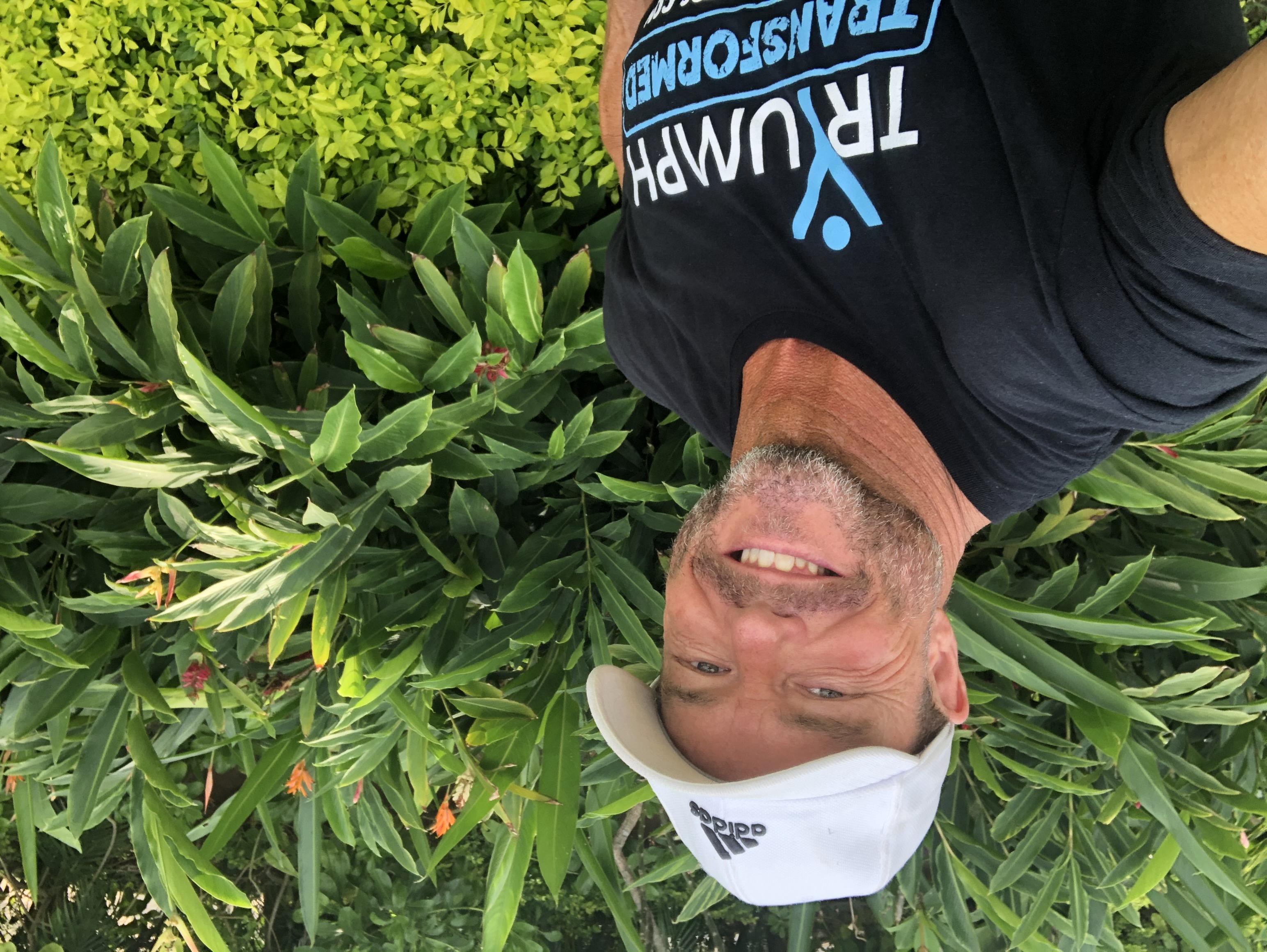
Coach Matt O'Brien
Coach Matt O'Brien is the founder of TrYumph Functional Training and TrYumph KidFit, where he has helped thousands of adults, children, and families build stronger, healthier, and happier lives through science-based health coaching, personal training, and small group training since 1998. With more than 25 years of coaching experience and over 25,000 hours working one-on-one and in small-group settings, Matt specializes in helping busy adults improve strength, energy, weight loss, nutrition, and long-term health through practical, sustainable lifestyle change.
Matt is a National Board Certified Health & Wellness Coach (NBC-HWC), Certified Strength and Conditioning Specialist (CSCS), Precision Nutrition Level 1 Coach (PN1), and Master Health Coach. His expertise spans strength training, nutrition coaching, healthy habit formation, performance optimization, and healthy aging, helping clients build resilience and enjoy a higher quality of life for years to come. He is also the author of THE MAGIC PILL and FITNESS FUEL (Cookbook) and is passionate about translating complex health and longevity science into simple, actionable strategies that busy people can apply in everyday life.
Through TrYumph KidFit, Matt is equally committed to improving kids fitness, confidence, athletic development, and lifelong healthy habits by creating fun, encouraging environments where children can thrive physically, mentally, and socially.
Matt's coaching philosophy is built on simple beliefs: movement is medicine, consistency beats perfection, and sustainable habits create extraordinary results. His mission is to help people live longer, healthier, happier lives through coaching, community, and caring.
When he's not coaching at TrYumph, Matt enjoys spending time with his wife and two sons, continuing his education in health and longevity science, and creating educational content that empowers people to take control of their health.